More about me
I work at the intersection of cities, infrastructure, and civic systems.
My work focuses on how complex systems—development, infrastructure, policy, and governance—come together at the scale of place, and how they can be better aligned and understood to shape more effective and inclusive outcomes for communities.
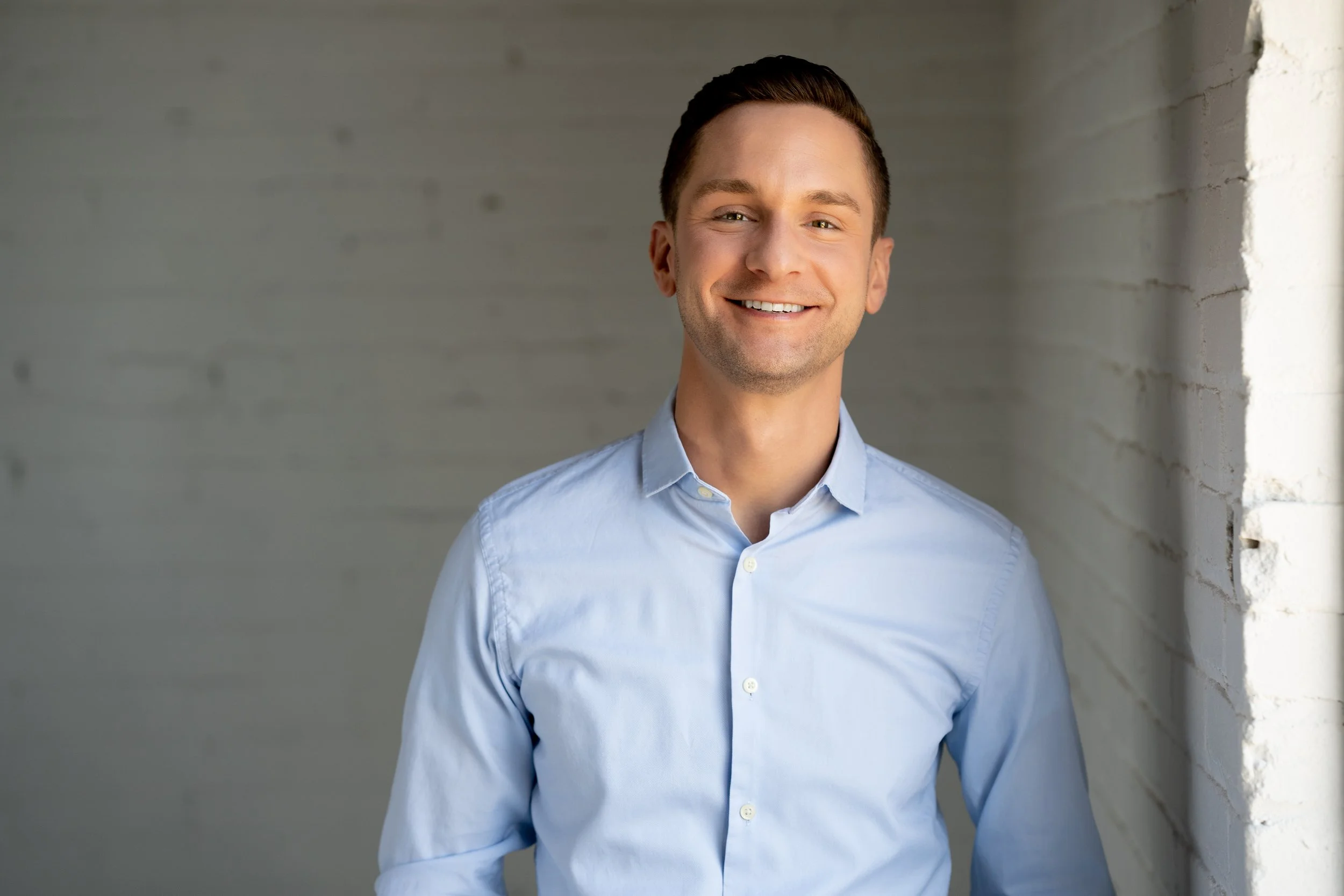
Professional Background
Cultivating and nurturing place as a pathway to prosperity
My background spans planning, design, and economic development, with experience across public agencies, nonprofit organizations, and place-based initiatives. Much of my work sits between how systems are built and how they are experienced.
Most recently, I served as Executive Director of the Towerside Innovation District, where I led work on district-scale infrastructure, development coordination, and cross-sector partnerships.
Previously, I worked at the Metropolitan Council, where I co-created the Art + Policy initiative—embedding creative practice into regional planning and civic engagement—and at The Cornerstone Group, a mission-driven real estate development company.
My work has involved leading and supporting initiatives across:
district-scale infrastructure and land development
regional planning and policy
community engagement and creative placemaking
cross-sector collaboration and governance
I’ve worked with public agencies, private development, community organizations, and non-profit partners to advance projects that require coordination across disciplines and systems.
My North Star
Across my work, I’ve been particularly interested in two challenges:
How physical systems are coordinated and delivered
How those systems are experienced and engaged by the publics they impact
The built environment and place-based work operate as a system. Places are shaped by the interaction of multiple layers—physical infrastructure, policy frameworks, institutional structures, and community experience. Most challenges emerge not from any one of these, but from how they relate to each other.
My work focuses on helping align these layers while making them more legible and accessible, so systems not only function more effectively, but can also be understood and shaped by the people they impact.
I also engage in design leadership efforts that contribute to expanding this field of work.
I’m interested in continuing to work on projects at the intersection of systems, place, and public life—particularly those that require new ways of coordinating, translating, and engaging complex challenges.
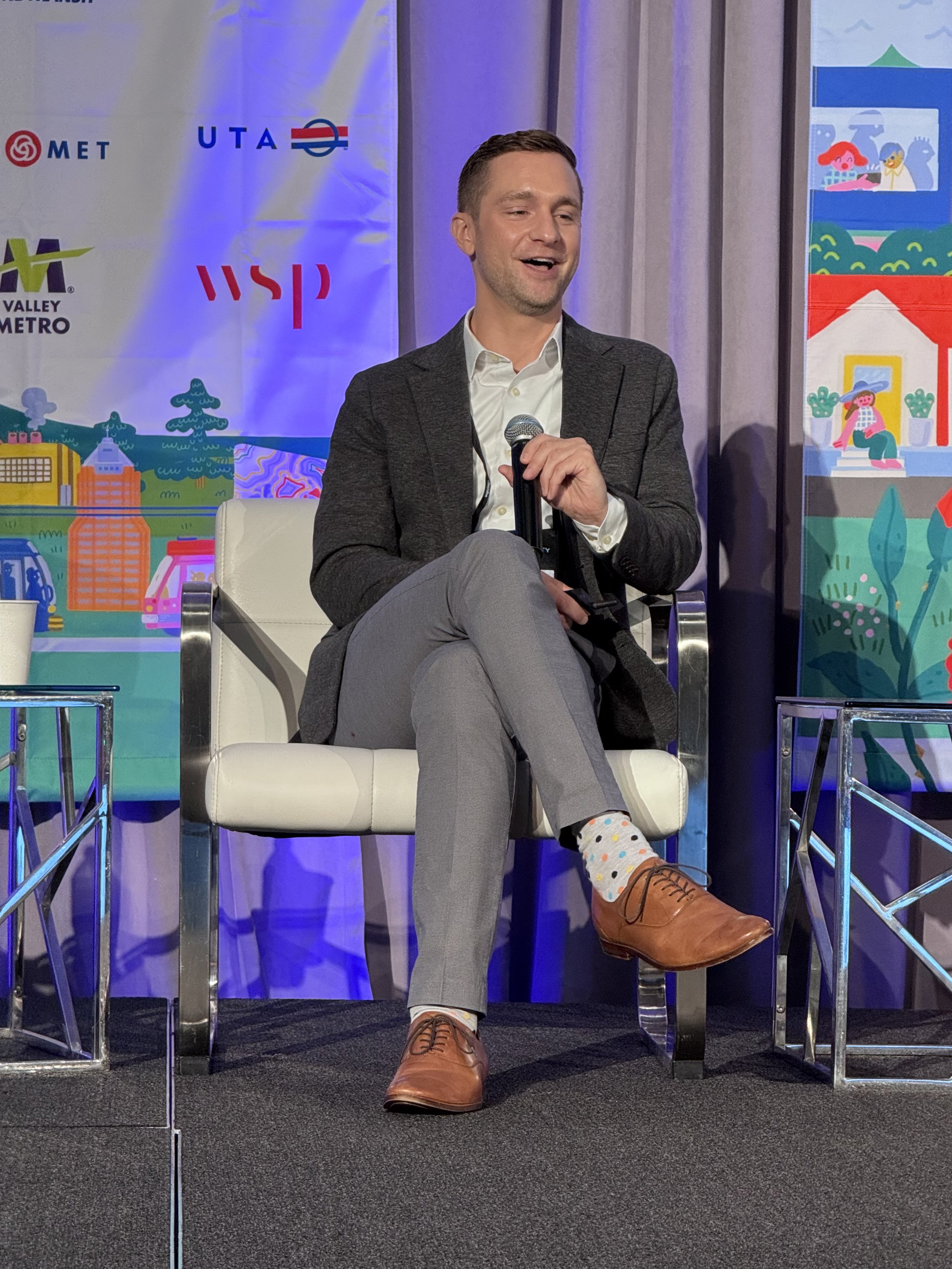
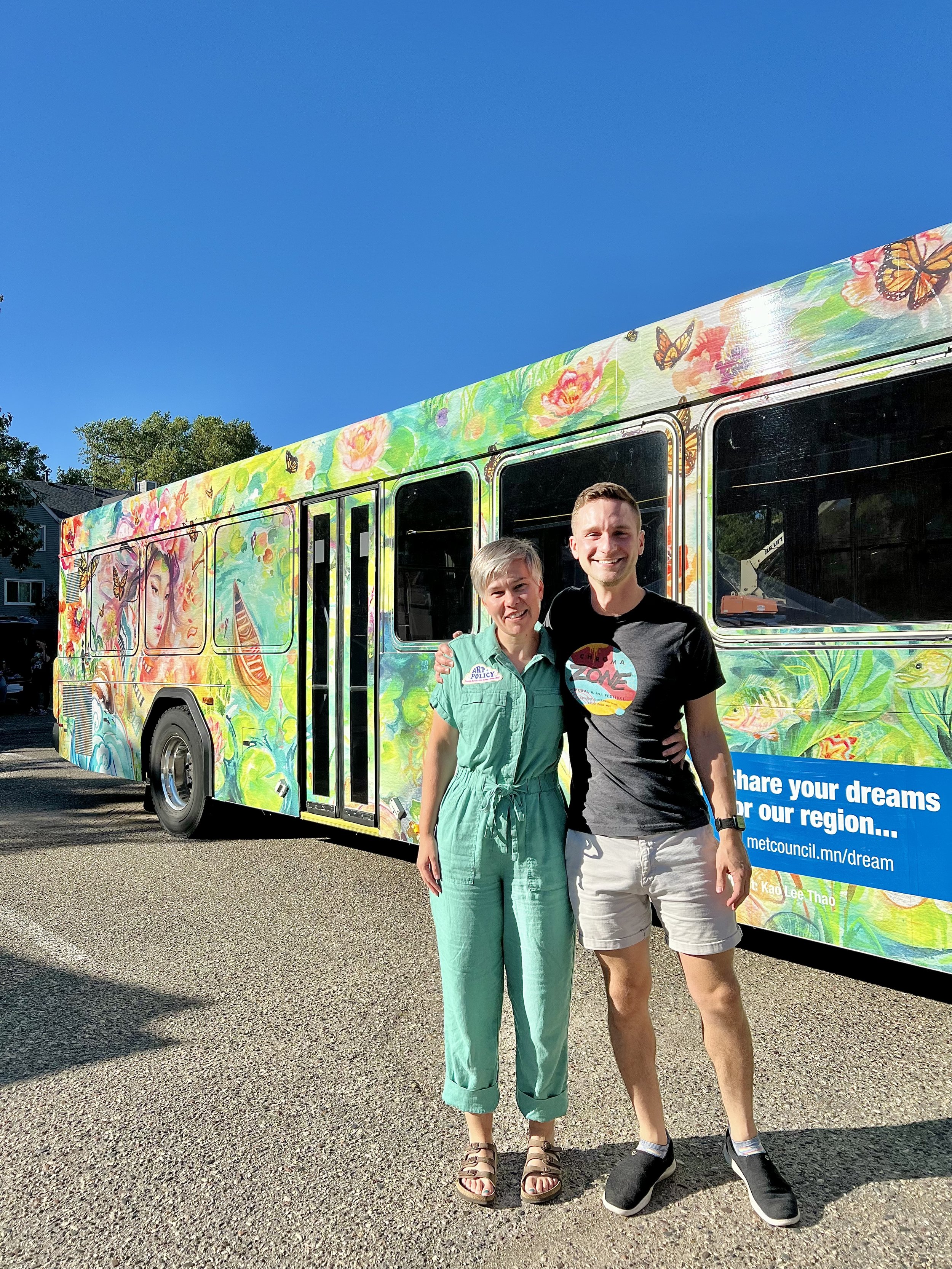
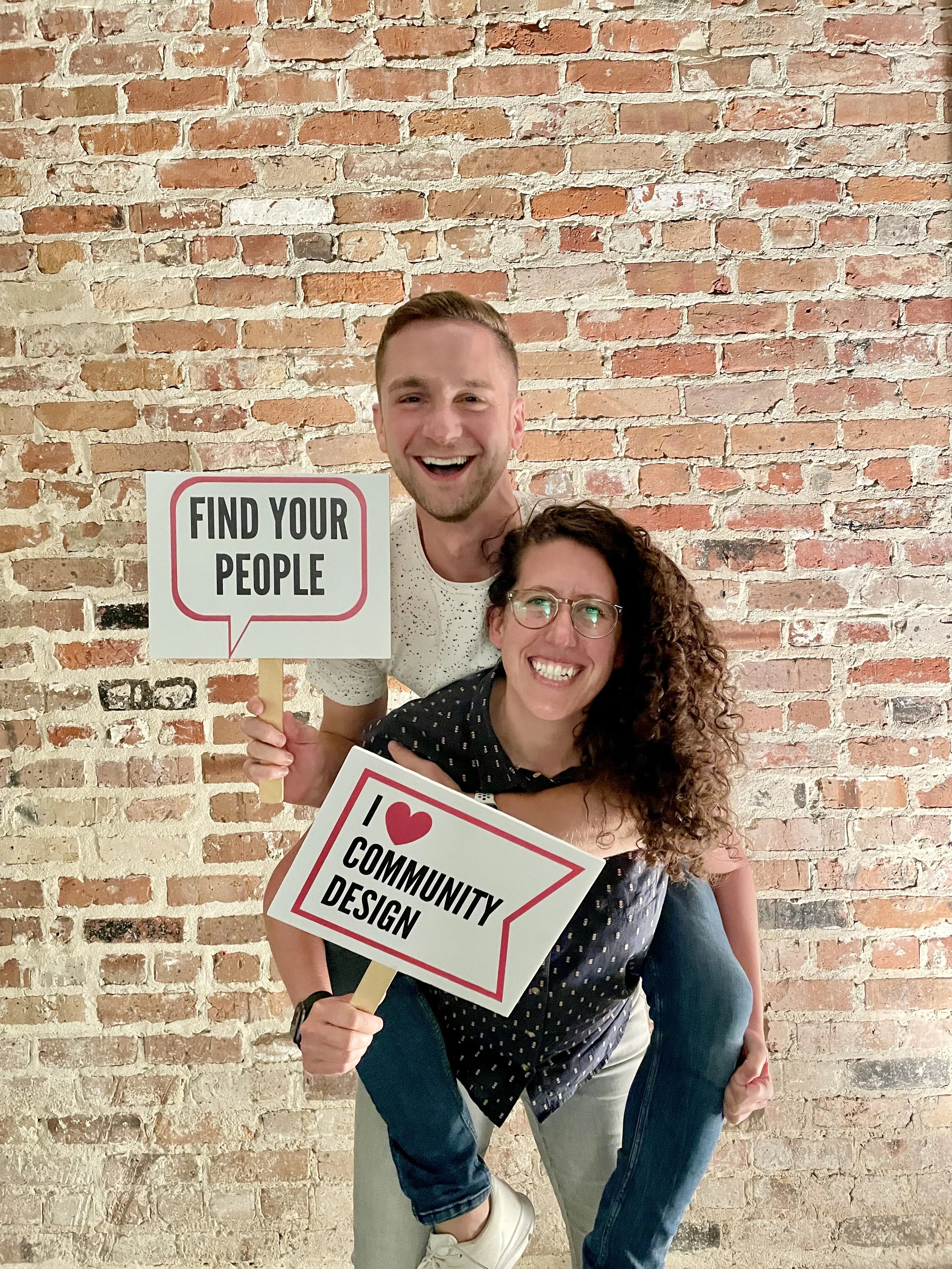
Design Leadership
-
![A diverse group of 20 people posing together in professional attire in an office with large windows overlooking a cityscape, including tall buildings and a partly cloudy sky.]()
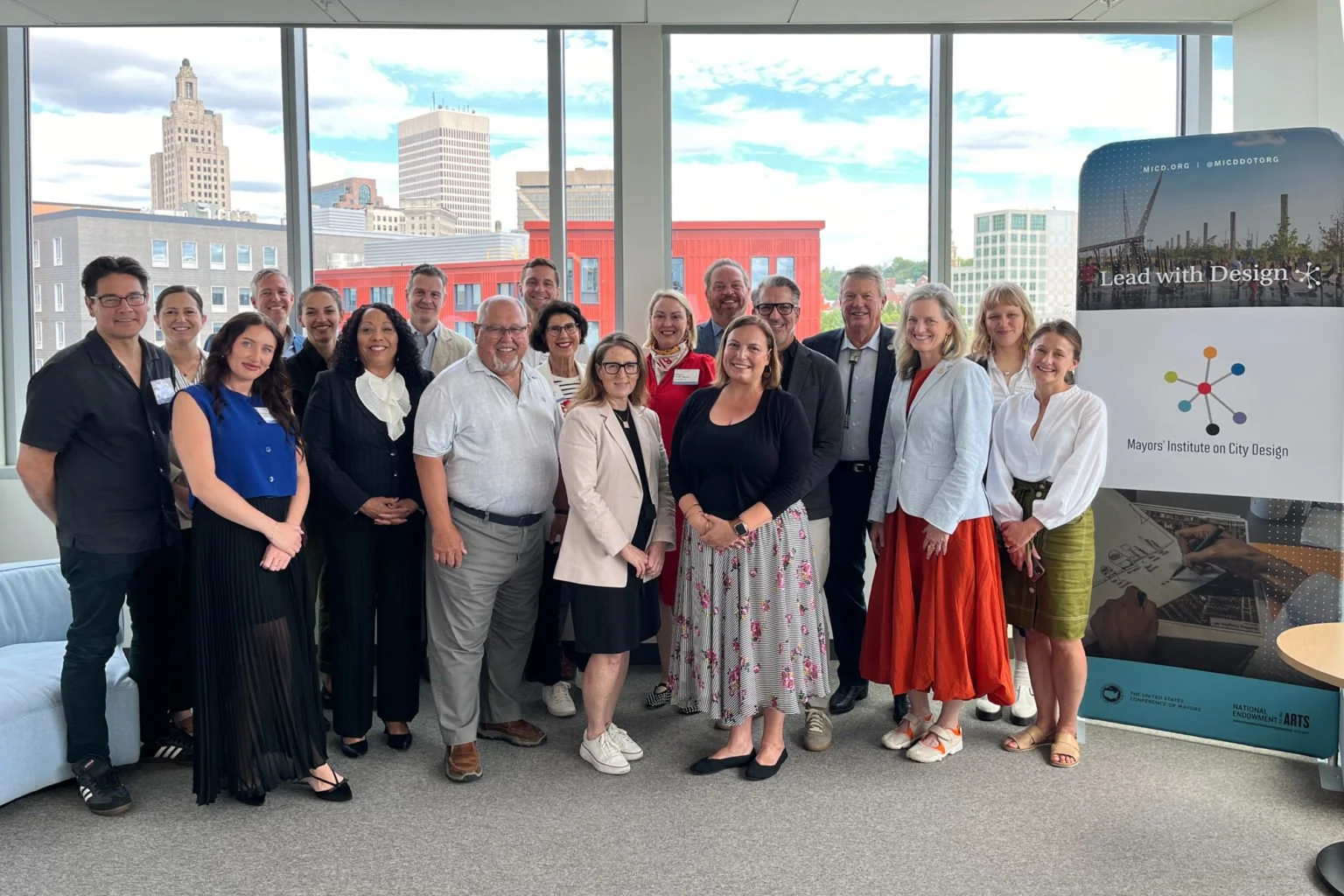
Mayors' Institute on City Design
MICD:81 Providence
Selected as a Design Resource Team member for the Mayors’ Institute on City Design’s 81st national session, working directly with mayors to explore place-based design strategies and complex urban challenges. -
![Group of diverse people posing for a photo in a large, ornate indoor space with high ceilings and decorative architecture.]()
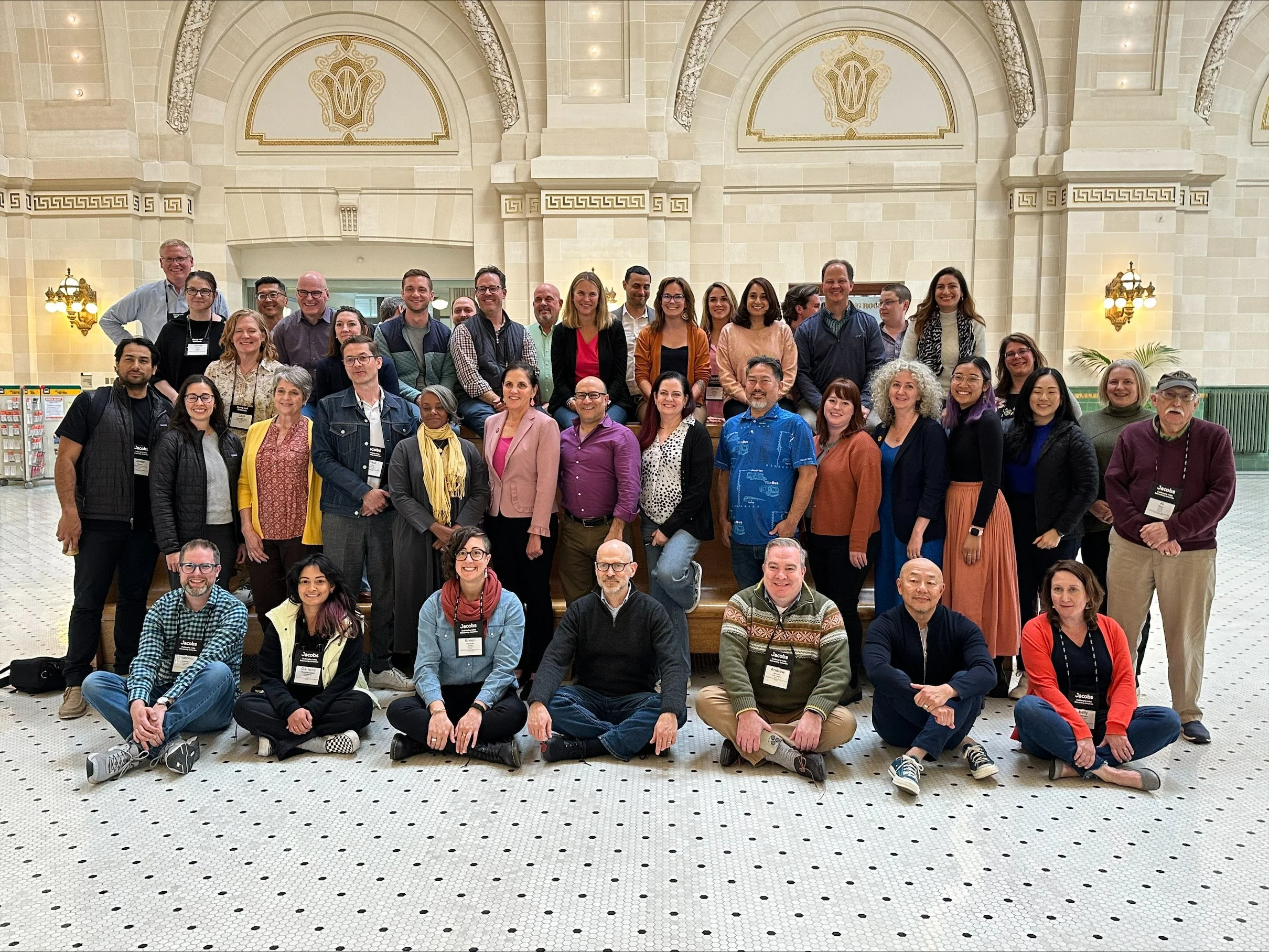
Mpact Transit+Community Conference
National Steering Committee Member
Selected to serve on a binational steering committee of practitioners shaping the direction of Mpact’s transit and community development work, including its annual conference and year-round learning initiatives. -
![An aerial view of an outdoor event with a colorful mural on a long trailer, a modern round building, people walking, and a parking lot. In the background, there are train tracks with freight trains, trees, and industrial buildings.]()
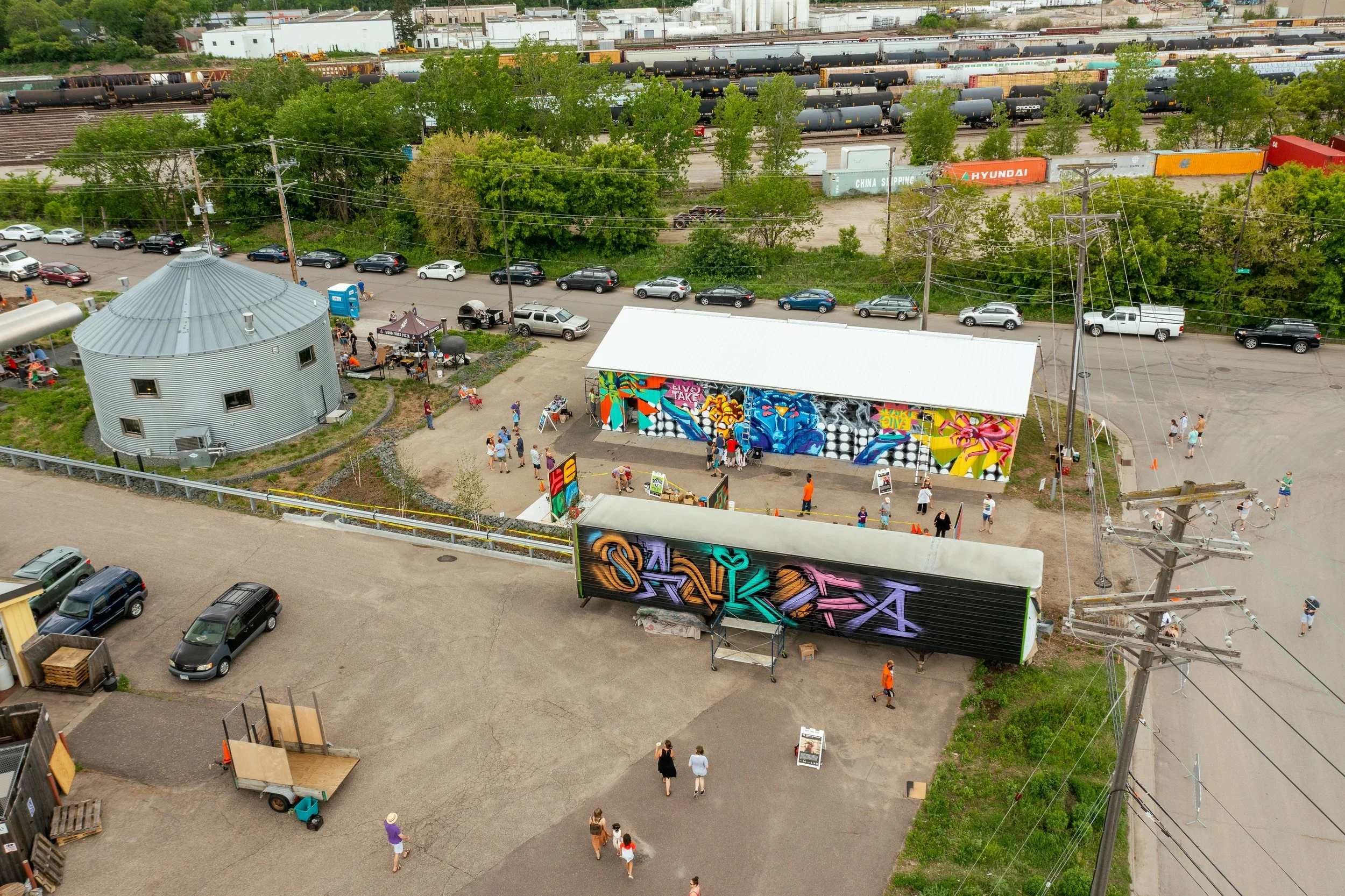
Creative Enterprise Zone
Serve as a board officer guiding strategy for equitable development, including mission-driven acquisitions, redevelopment planning, and community investment models, alongside strengthening organizational systems and funding capacity.
-
![A diverse group of people sitting and standing on wide concrete stairs outside a modern building with glass walls and interior lighting.]()
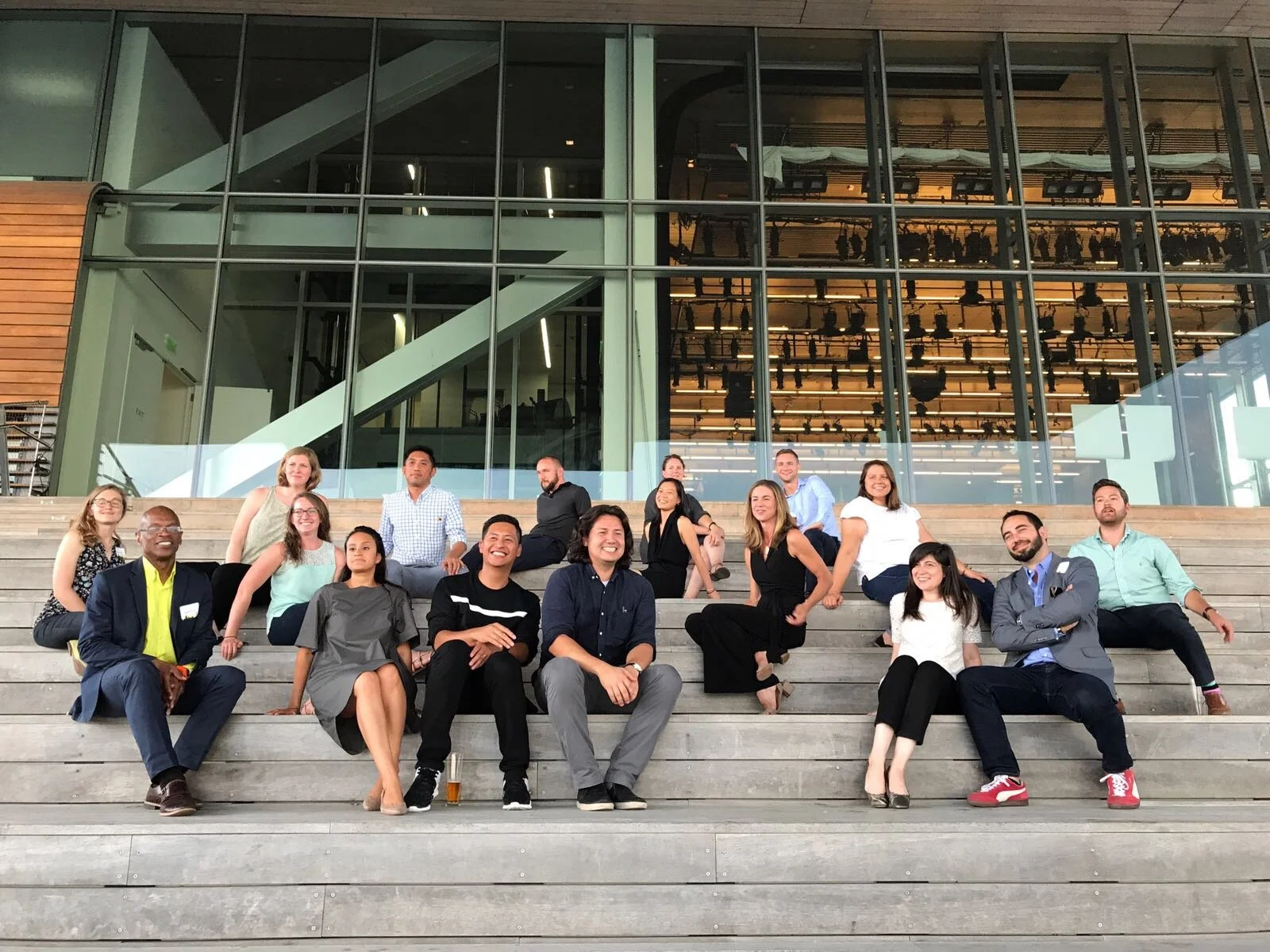
Rose Architectural Fellow
Enterprise Community Partners
Selected for Rose Architectural Fellow (2015-2017), embedding architects within community development organizations to support equitable and sustainable development. Led design and engagement work across affordable housing and neighborhood initiatives, aligning community priorities with design and implementation.
-
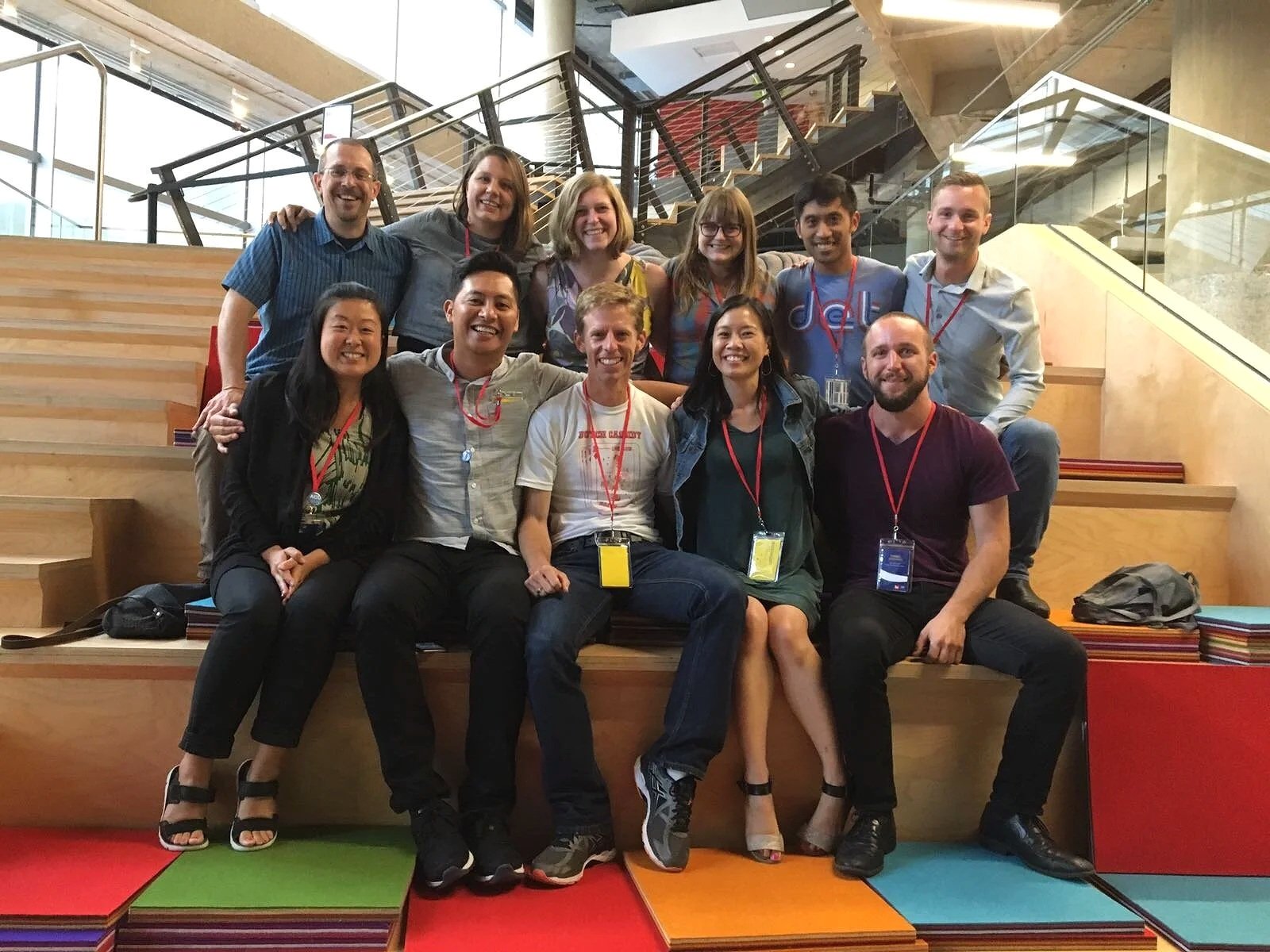
![Group of people posing for a photo on wooden steps inside a modern building with glass and metal architecture.]()
Association for Community Design
ACD Board Member & Board Co-Chair
Serve as Board Co-Chair for a national organization advancing community-engaged design, helping guide strategy and strengthen a network of practitioners working at the intersection of design and community development.
-
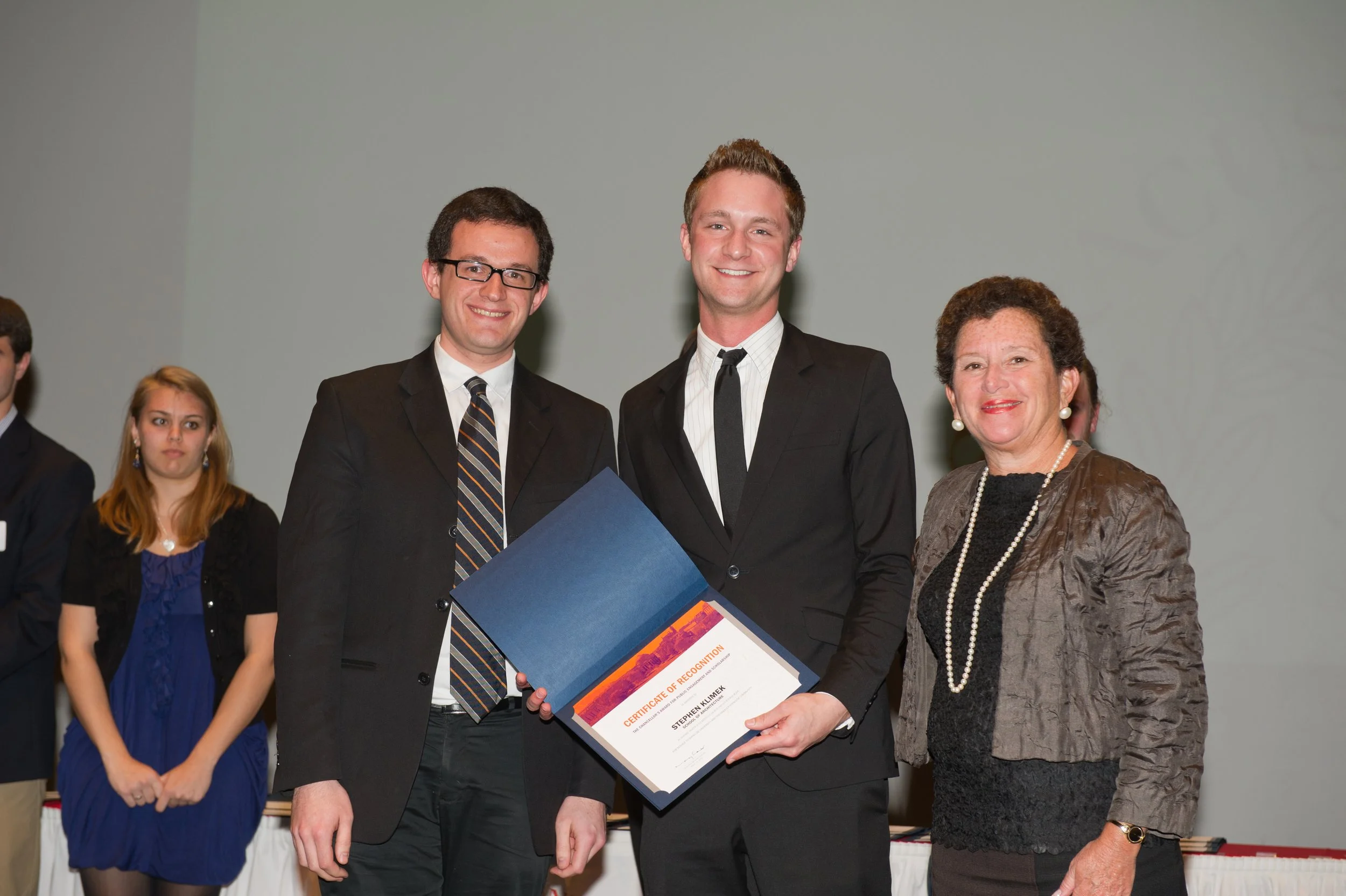
![A group of people at an award ceremony, with two men in the center holding a certificate and a folder, and a woman standing beside them, all smiling.]()
Engagement Fellow
Syracuse University Engagement Fellow
Selected fellowship focused on advancing university-community partnerships through planning, design, and neighborhood-based economic development initiatives. Recognition included a feature in the Venice Architecture Biennale: Spontaneous Interventions, the Chancellor’s Award for Public Engagement, and the Imagining America Merit Award.
Ecosystem of Experience
-
![CEZ]()
Creative Enterprise Zone
Board Member, Treasurer & Vice Chair
-
![Towerside]()
Towerside Innovation District
Partner Consultant, Project Manager & Executive Director
-
![ACD]()
Association for Community Design
Board Member, Treasurer, Co-Chair
-
![Mpact]()
Mpact
Member, National Steering Committee
-
![U of M College of Design]()
U of M College of Design
Adjunct Faculty, Public Interest Design
-
![Metropolitan Council]()
Metropolitan Council Community Development
Senior Planner, TOD
-
![JLP+D]()
James Lima Planning + Development
Consultant, Stephen Avenue
-
![U3 Advisors]()
U3 Advisors
Consultant, Architect Selection
-
![The Cornerstone Group]()
The Cornerstone Group
Community Design Coordinator, Lyndale Gardens & Towerside Innovation District
-
![Enterprise Community Partners]()
Enterprise Community Partners
Rose Architectural Fellow, 2015-2017
-
![Van Alen Institute]()
Van Alen Institute
Competition Coordinator, National Parks Now & Future Ground
Research & Visualization, Rebuild by Design
-
![Hester St]()
Hester St
Community Design Fellow, Paths 2 Pier 42
-
![SYR ARCH]()
Syracuse University School of Architecture
Studio Manager, NYC Fisher Center
-
![Syracuse Connective Corridor]()
Syracuse Connective Corridor
Center for Engagement & Economic Development, Engagement Fellow
-
![Syracuse University]()
Syracuse University
SU Engagement Fellow
-
![The SALT District]()
The Near Westside Initiative
Center for Engagement & Economic Development, Project Manager & Engagement Fellow
-
![Storefront Syracuse]()
Storefront Syracuse
Co-Founder
-
![AIAS]()
American Institute of Architecture Students - Syracuse
Conference Chair, Chapter President, Vice President, Treasurer
-
![Cannon Design]()
Cannon Design
Architectural Intern
-
![Buffalo Museum of Science]()
Buffalo Museum of Science
Facilitator of Experience, Volunteer











Ideas Shaping My Practice
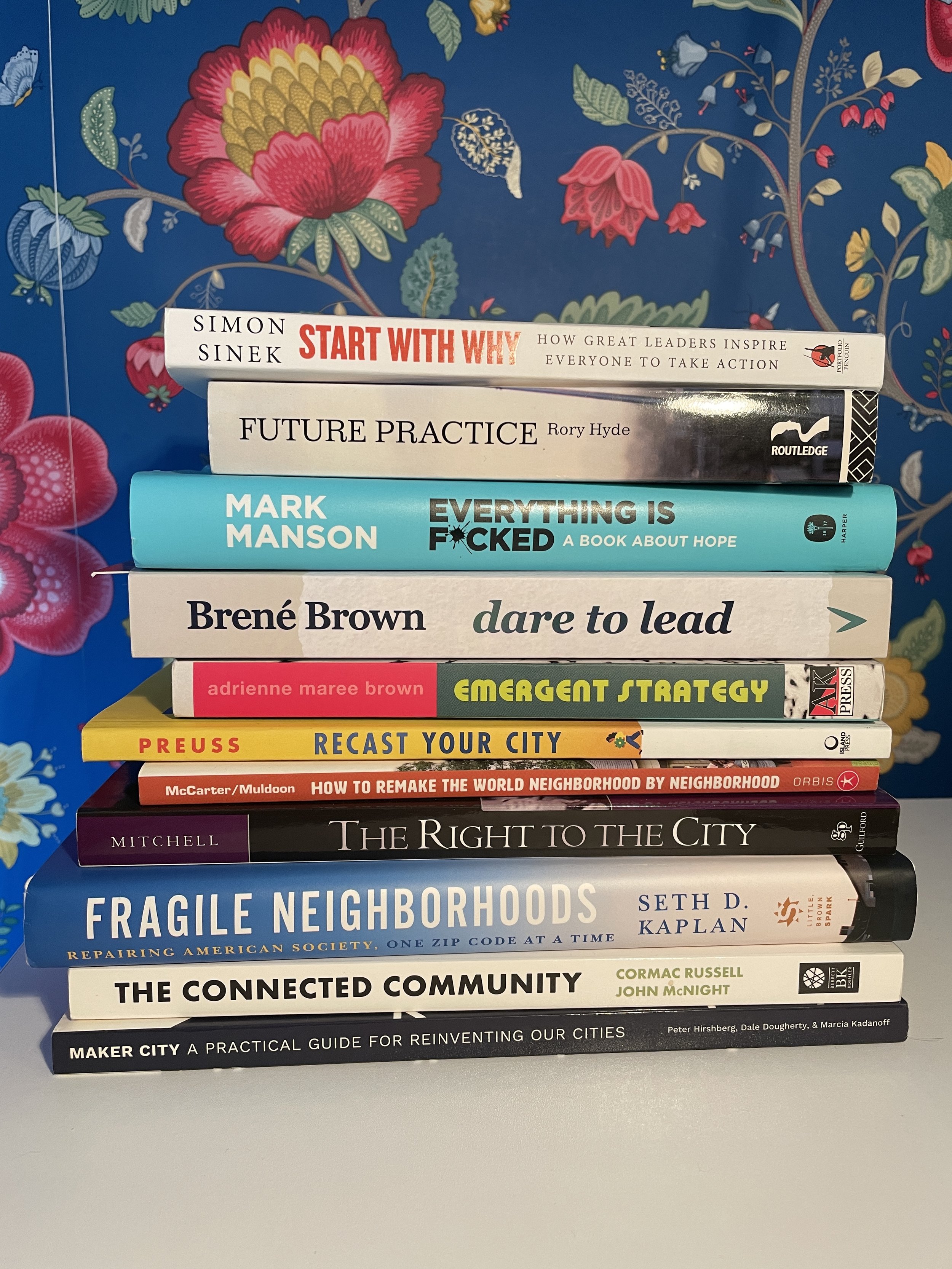
A collection of working terms and evolving ideas that continue to shape how I understand places, communities, and systems change.
-
These are the roles I naturally find myself inhabiting across projects. They are less titles than recurring ways of approaching complex challenges.
Integrationist - I naturally gravitate toward the spaces between disciplines, organizations, and sectors. My work often focuses on identifying shared opportunities and aligning people, projects, and resources around common goals. I frequently act as a translator, convener, and bridge builder, helping diverse perspectives become coordinated action.
Systems Thinker - I look beyond individual projects to understand the relationships, feedback loops, and structures that shape long-term outcomes. Rather than optimizing isolated pieces, I'm interested in how physical, social, ecological, economic, and institutional systems interact, and how thoughtful coordination can create value beyond the sum of their parts.
Urbanist - Cities are one of humanity's most remarkable collective achievements. I see them as living systems where infrastructure, development, ecology, governance, and public life continuously shape one another. My work is grounded in the belief that understanding these relationships is essential to building resilient and vibrant communities.
Community Builder - Strong communities are cultivated through relationships as much as projects. I seek to create the conditions for collaboration, trust, shared ownership, and long-term stewardship, recognizing that social infrastructure is just as important as physical infrastructure in shaping lasting change.
Infrastructurist - Infrastructure extends far beyond roads, utilities, and buildings. I think about the physical, ecological, civic, and institutional systems that support everyday life, expand opportunity, and influence how communities function over time. The most effective infrastructure serves both practical needs and human experience.
-
Place is more than a location. It's where physical, ecological, economic, civic, and cultural systems intersect and are experienced by people. These ideas shape how I understand and approach place-based work.
Place - Place is the scale where people experience systems. It is where infrastructure, development, ecology, governance, and community life intersect, making it one of the most meaningful scales for understanding and shaping change.
Commons - The commons are the shared spaces, resources, and institutions that connect individual lives into community. They include public spaces like streets, parks, and plazas, but also the shared stewardship and collective responsibility that allow places to thrive over time.
Public Realm - The public realm is where civic life unfolds. More than a collection of streets and parks, it is the connective tissue between homes, businesses, institutions, and nature. Well-designed public realm supports belonging, health, exchange, and everyday life.
District - A district is a geography of coordination. It is large enough to address challenges beyond individual properties, yet small enough for institutions, communities, and partners to collaborate around shared outcomes. Districts create opportunities to align investments, governance, and stewardship in ways that neighborhoods and cities often cannot.
Placemaking - Placemaking is the intentional shaping of places to strengthen identity, belonging, and daily life. At its best, it extends beyond programming or beautification to integrate design, ecology, governance, culture, and community participation into a shared vision for place.
-
Places don't change through projects alone. Lasting change emerges when physical investments, institutions, relationships, and stewardship evolve together over time. These ideas guide how I think about creating durable community impact.
Stewardship - The success of a place is determined not by what is built, but by how it is cared for. Stewardship is the ongoing practice of maintaining, adapting, and investing in places long after construction is complete. It transforms projects into lasting community assets.
Civic Infrastructure - Civic infrastructure consists of the relationships, organizations, governance structures, and shared practices that enable people to work together. Just as physical infrastructure supports movement and utilities, civic infrastructure supports collaboration, trust, and collective action.
Governance - Governance is how communities organize decisions, coordinate resources, and share responsibility. Well-designed governance creates the conditions for collaboration, accountability, and long-term implementation rather than becoming a barrier to action.
Collective Impact - Complex challenges rarely fit within a single organization or discipline. Collective impact is the intentional alignment of partners around shared goals, coordinated action, and continuous learning to achieve outcomes that none could accomplish independently.
Community Capacity - The ultimate measure of successful place-based work is not the number of projects completed, but whether a community is better equipped to shape its own future. Community capacity grows through relationships, shared knowledge, institutional trust, and the ability to adapt over time.