Imagine 2050: Art+Policy
Enriching Regional Policy and Planning with Creative Civic Infrastructure
Minneapolis–Saint Paul Metropolitan Region
Imagine 2050: Art+Policy
Enriching Regional Policy and Planning with Creative Civic Infrastructure
Minneapolis–Saint Paul Metropolitan Region
Overview
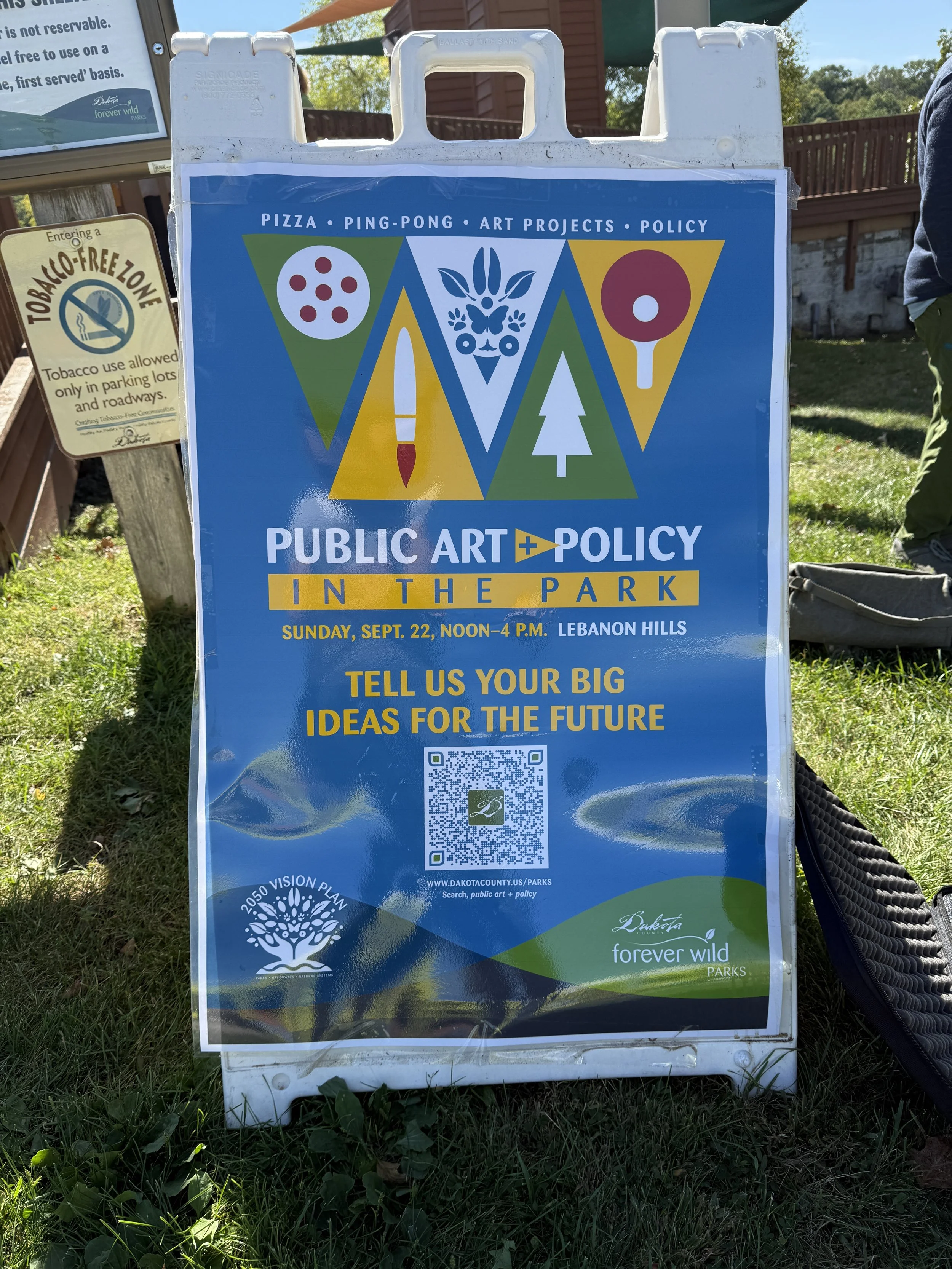
Art + Policy was a Metropolitan Council initiative that embedded artists and creative practice into the Imagine 2050 regional planning process, transforming how policy was communicated, experienced, and shaped by the public.
Developed as a cross-disciplinary pilot, the initiative explored how creative engagement could function as civic infrastructure—making complex systems more visible, participatory, and human.
Roles: Senior Planner, Art+Policy Co-founder
Organizations: Metropolitan Council of the Twin Cities
Timeline: 2023-2024
Focus Areas:
Policy Planning
Creative Engagement
Public Innovation
Social Infrastructure
Location: Minneapolis–Saint Paul Region
Regional policy shapes housing, transportation, water, parks, and land use across the Twin Cities, yet these systems are often experienced as distant, technical, and inaccessible.
The Imagine 2050 process revealed a core challenge: while the region was asking residents to imagine the future, most engagement methods relied on technical language and formal participation structures that excluded many voices.
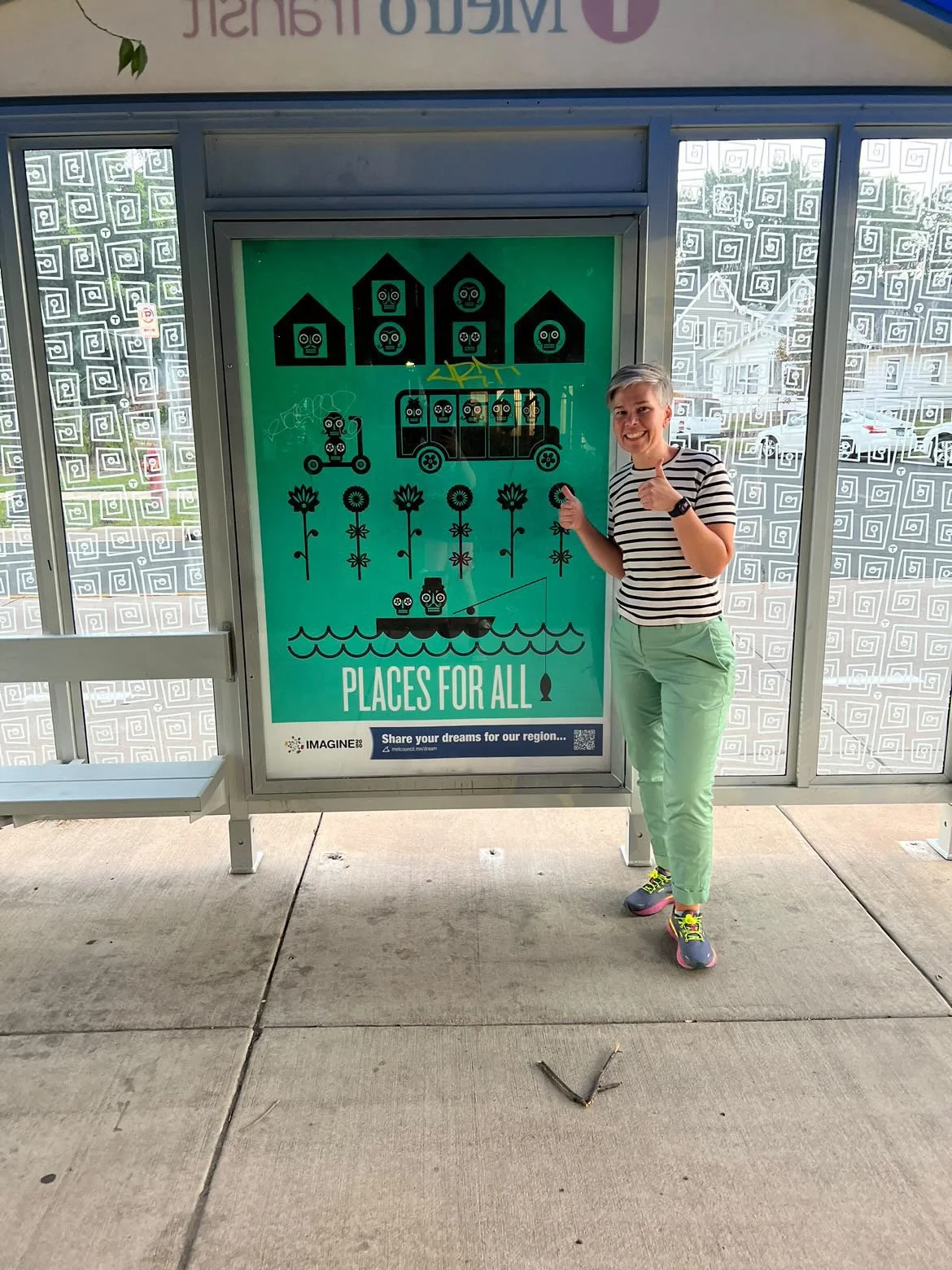
Art + Policy emerged from the belief that creativity, storytelling, and public experience could become tools for translating policy into something people could see, experience, and help shape.
Approach
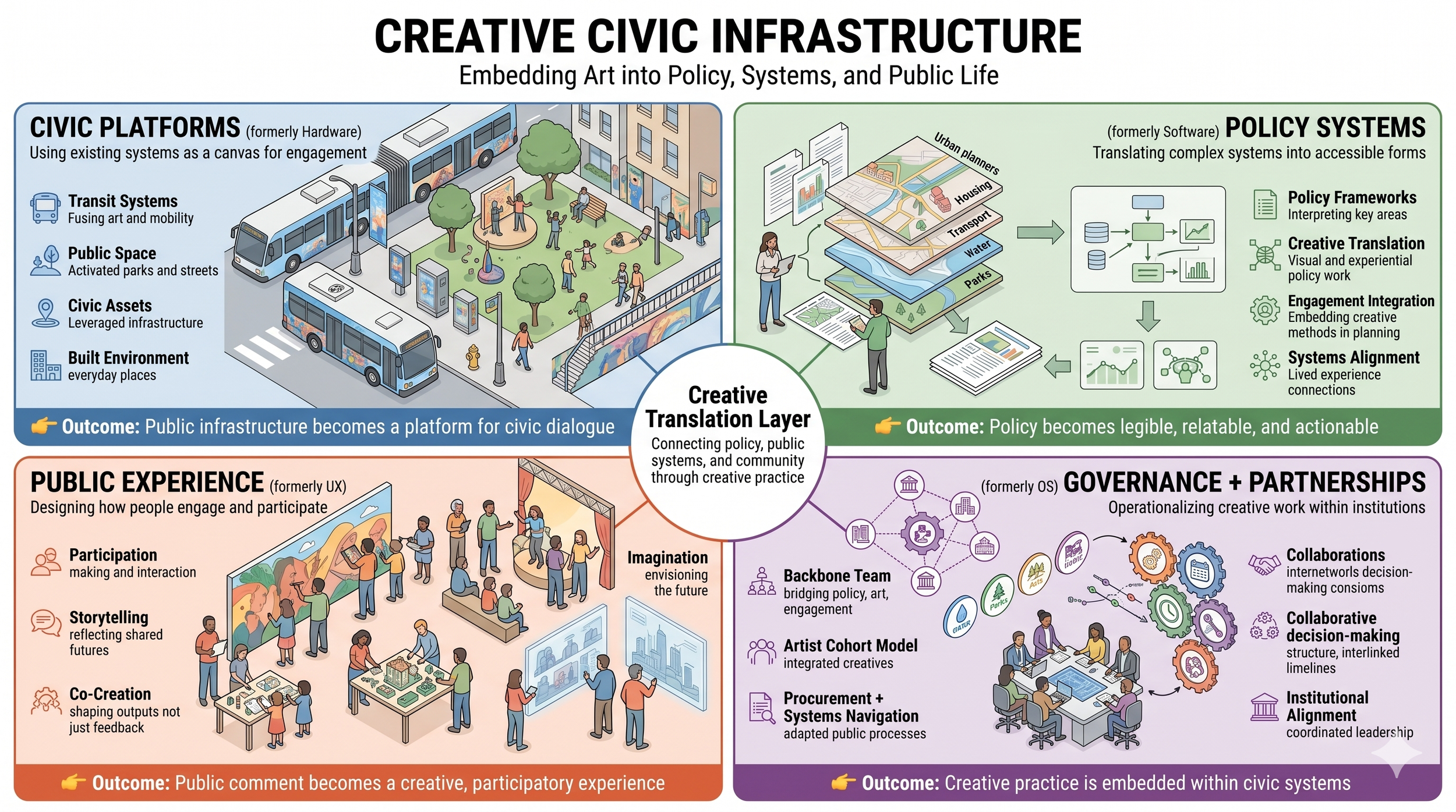
Art + Policy reframed civic engagement as a creative translation layer between institutions and communities.
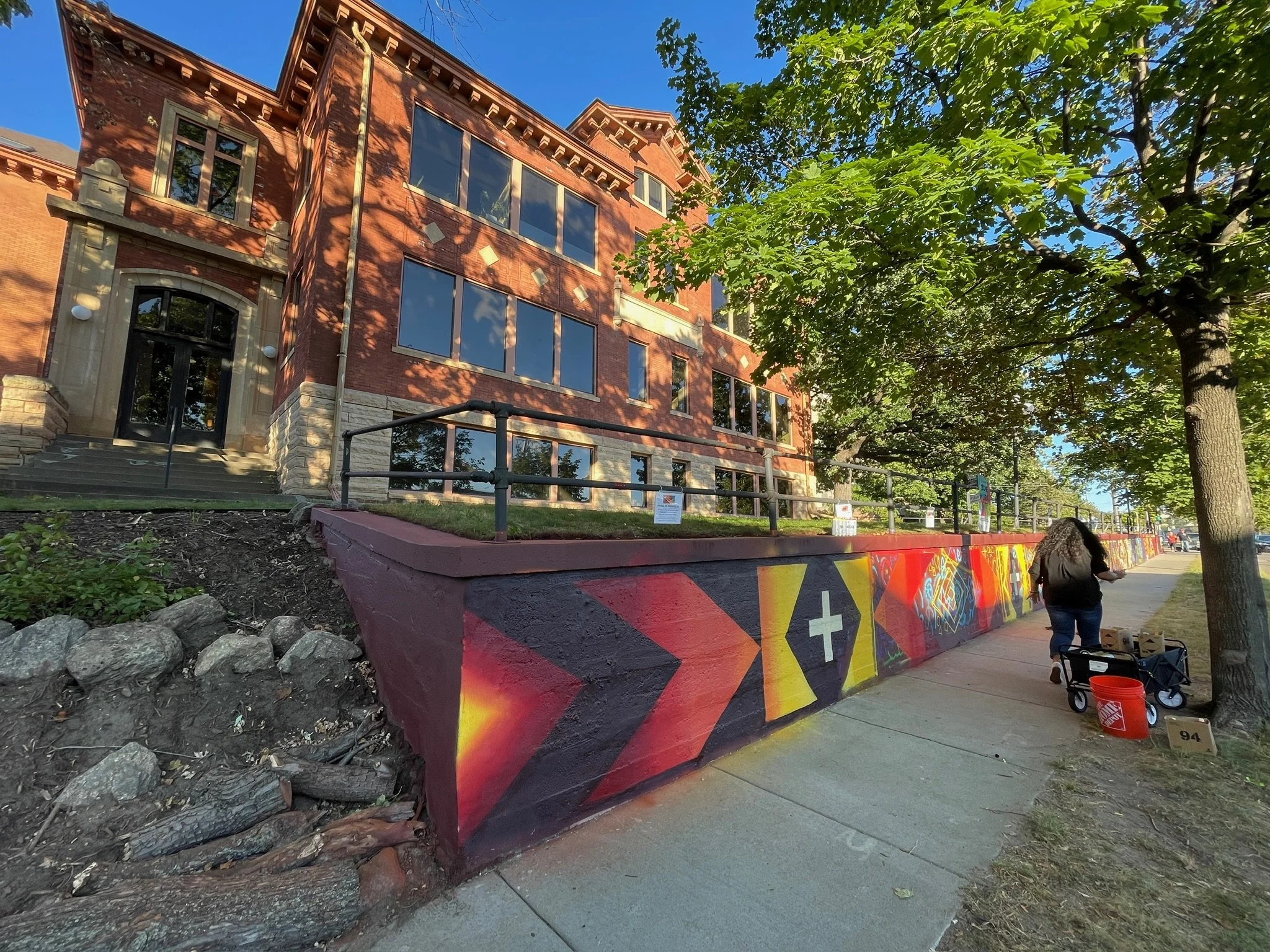
Rather than treating engagement as a standalone outreach exercise, the initiative embedded artists into policy systems themselves—inviting them to interpret complex issues, create participatory experiences, and activate public infrastructure as platforms for civic dialogue.
The work combined:
artist-led engagement
mobile public art
participatory installations
playful policy tools
cross-sector partnerships
public events and conversations
Together, these efforts created new pathways for awareness, participation, and collective imagination.
Key contributions
My work as Co-creator, strategy lead, and program architect included:
co-developing the initiative framework and engagement strategy
aligning the work with Imagine 2050 policy objectives
identifying and leveraging funding to scale the initiative
building internal organizational alignment
designing artist RFQs and implementation structures
coordinating policy, communications, and engagement teams
recruiting artists and cross-sector collaborators
helping establish the foundation for future creative civic infrastructure work within the organization
System Model
Creative civic infrastructure connects policy, public systems, and community through shared experience—making complex systems visible, understandable, and participatory.
Program Components
-
Mobile Public Gallery
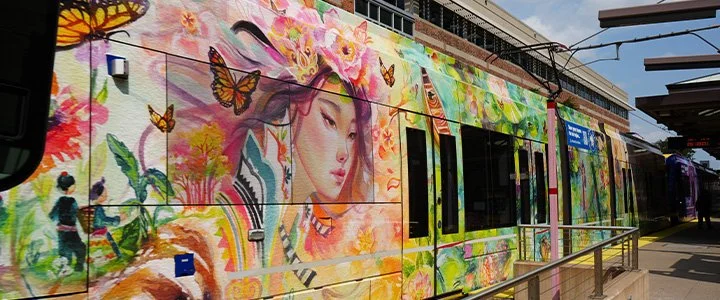
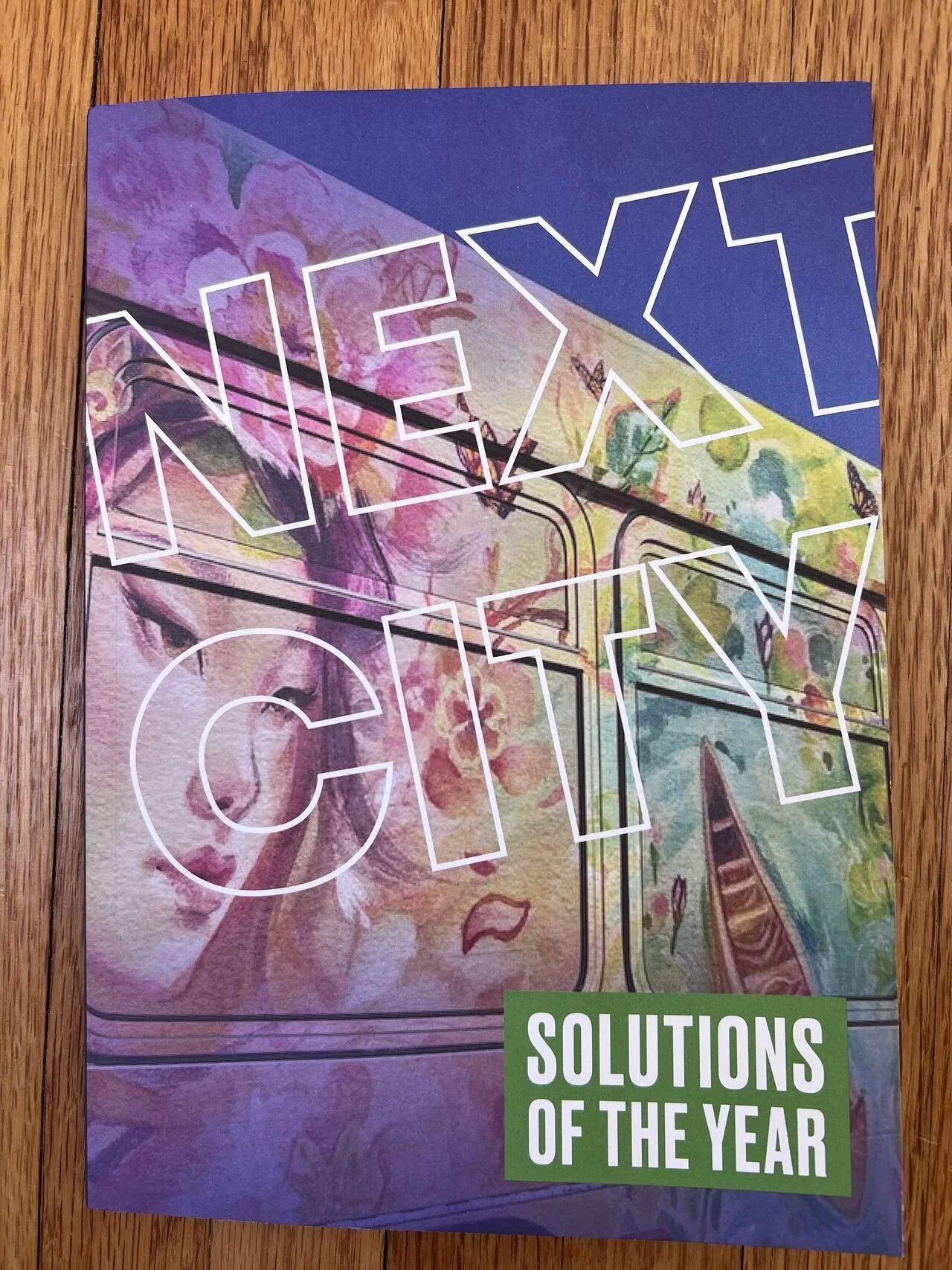
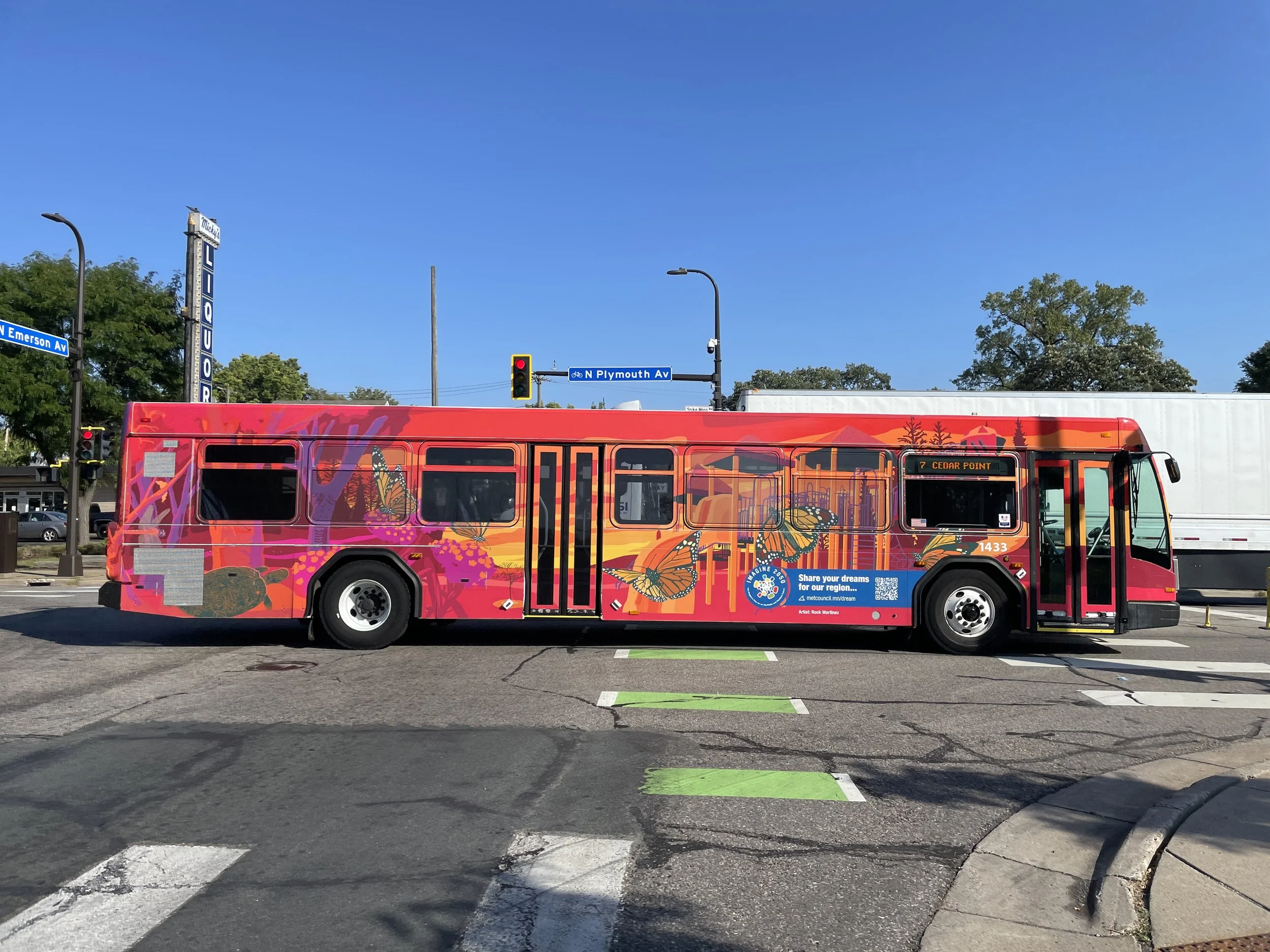
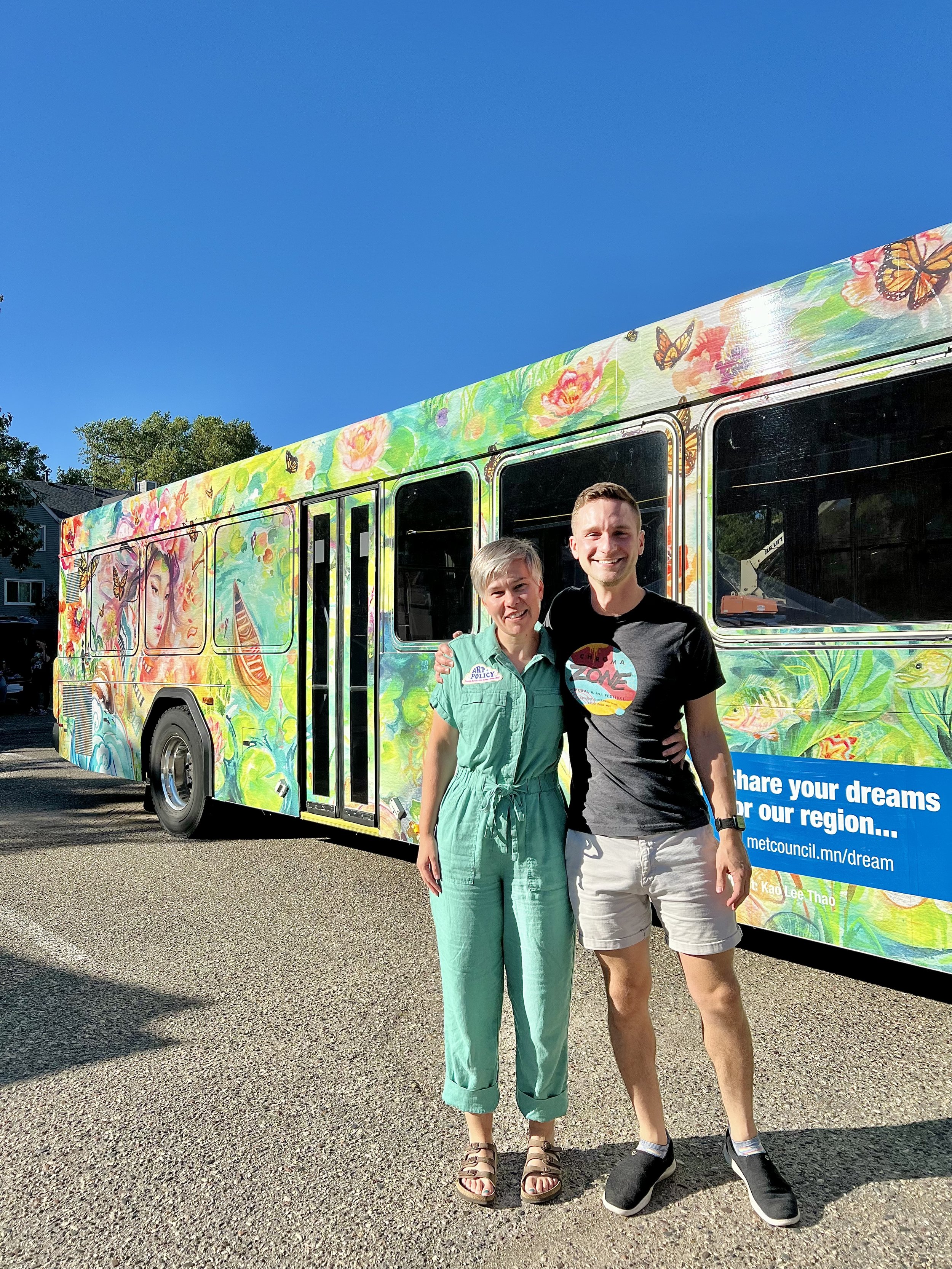
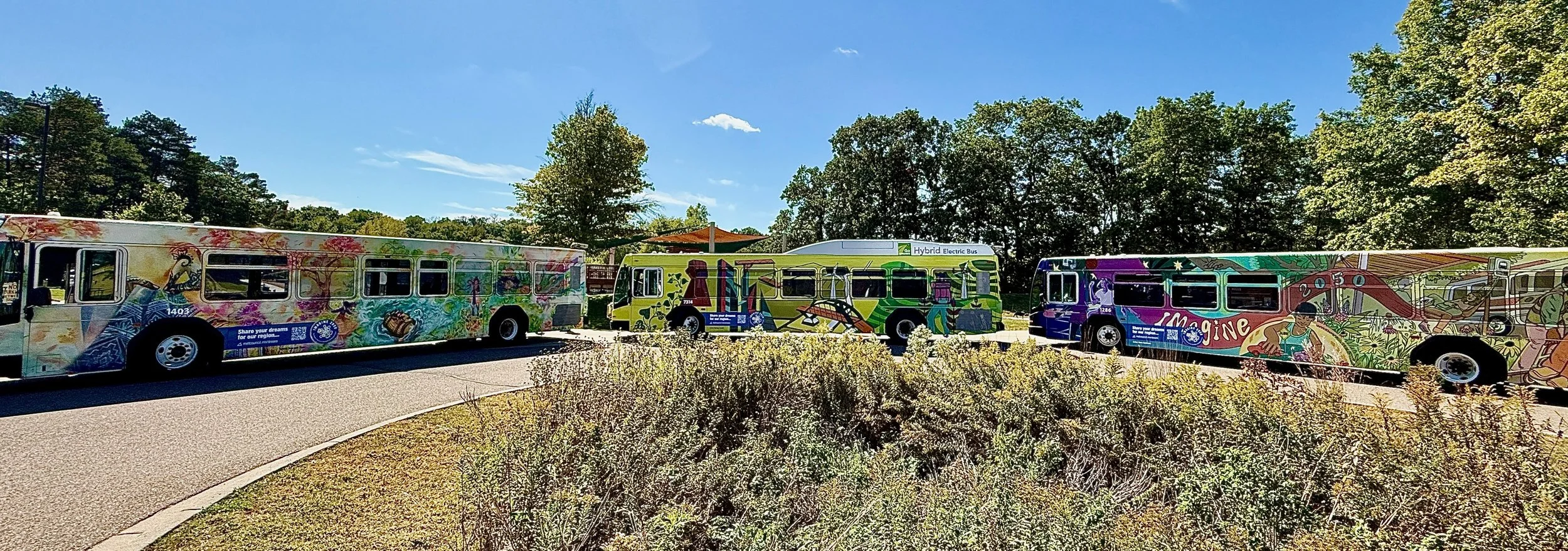
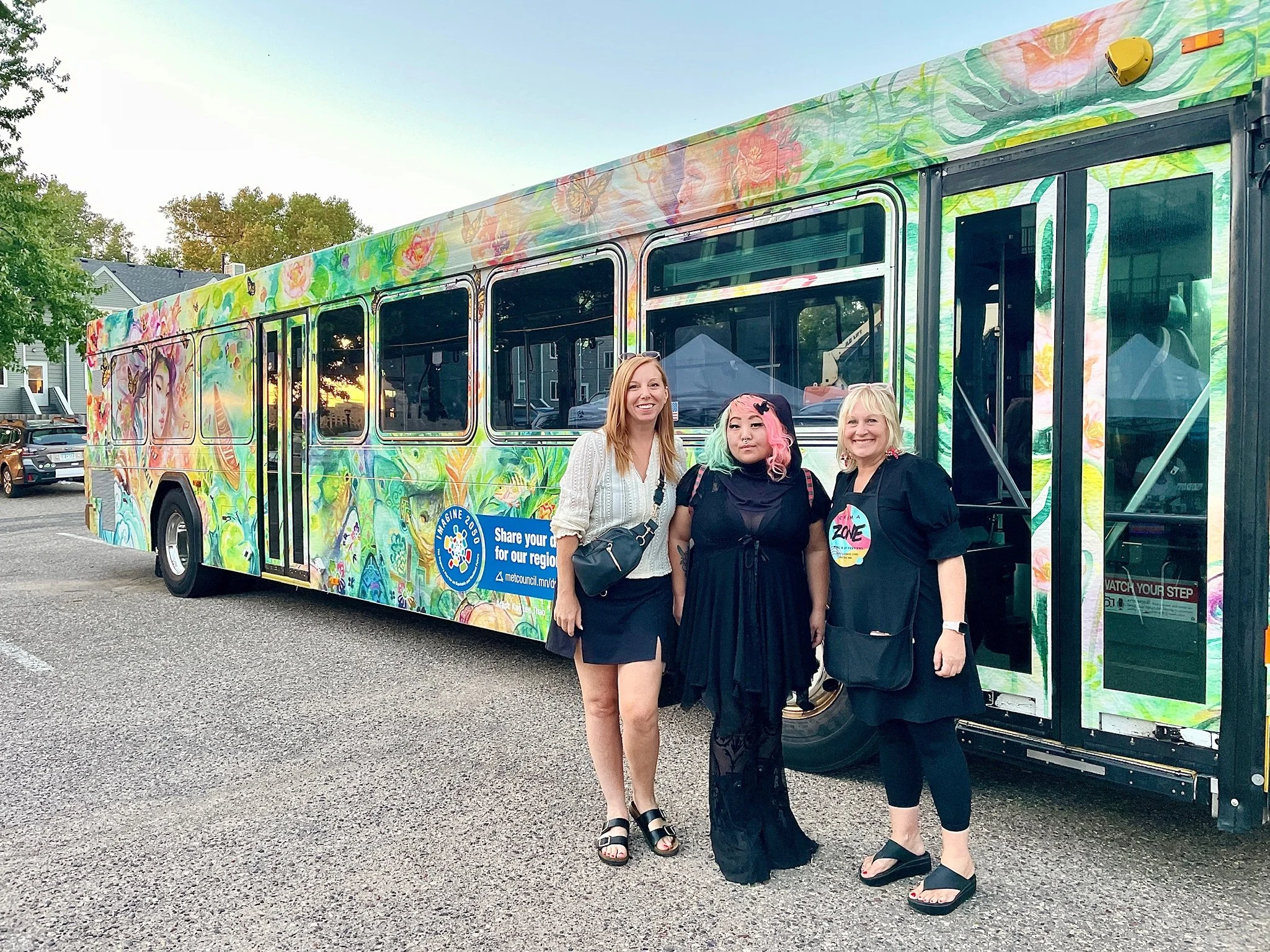
12 buses and 2 light rail trains transformed regional transit infrastructure into moving public art and policy engagement platforms, generating over 42 million impressions across the Twin Cities region.
-
Artist Cohort Model
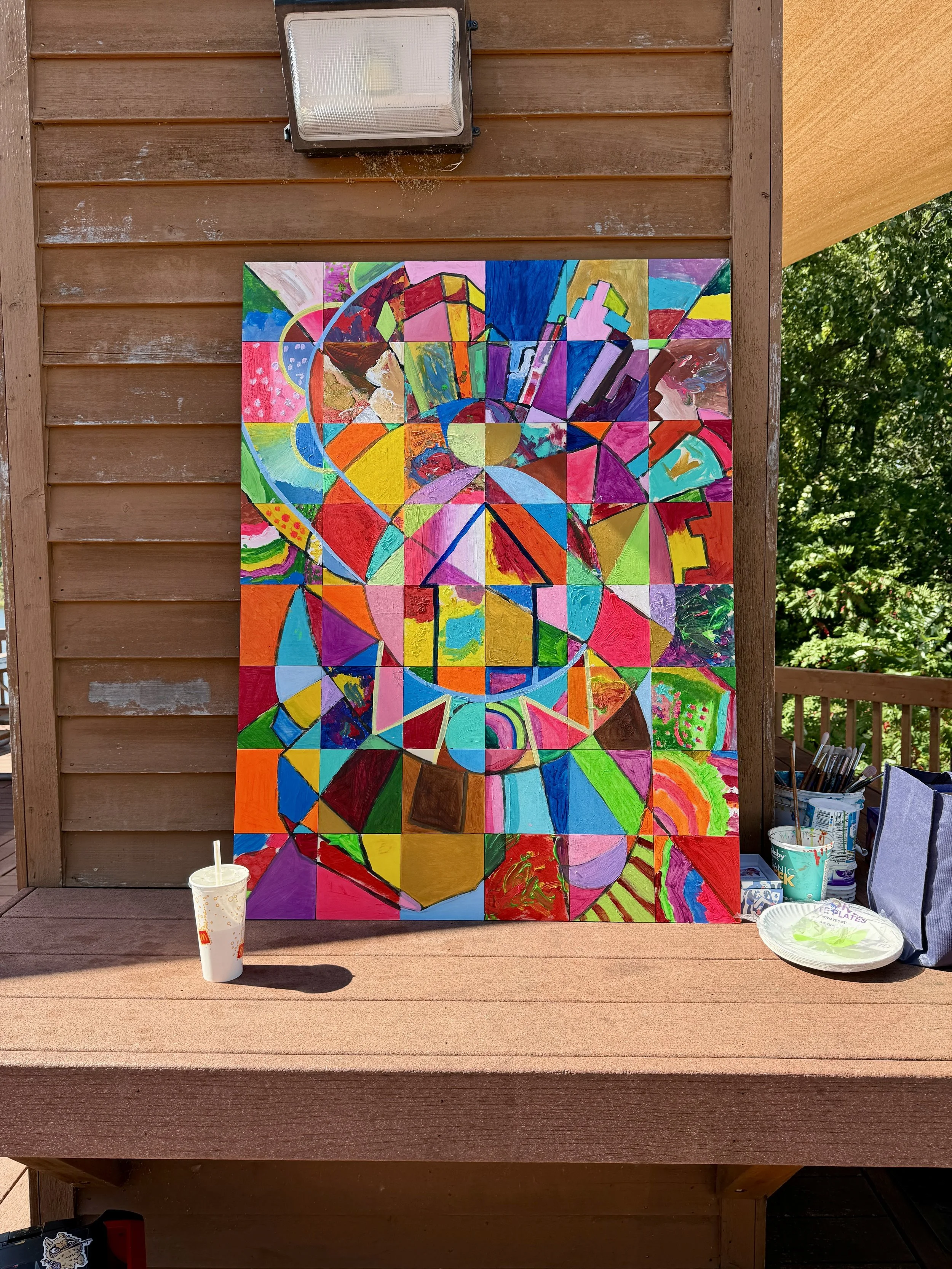
The initiative commissioned four visual artists and nine engagement artists working across housing, transportation, parks, water, and land use policy areas.
-
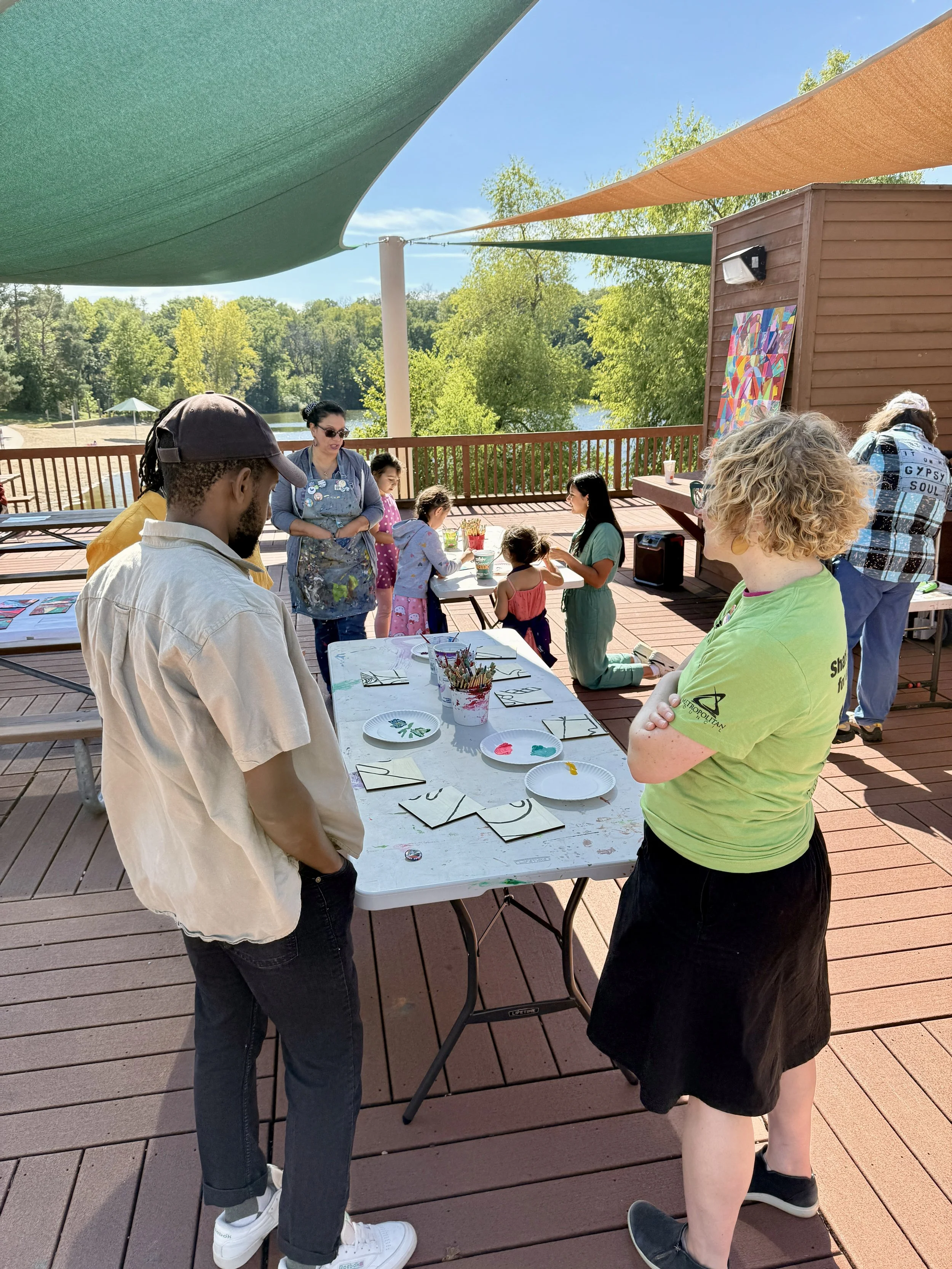
Community Engagement
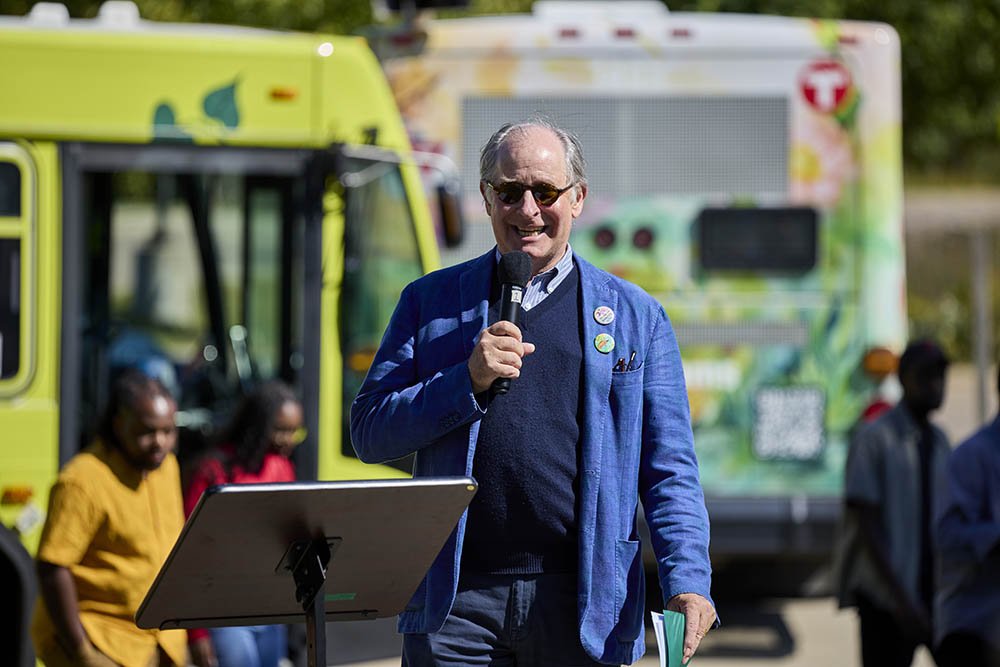
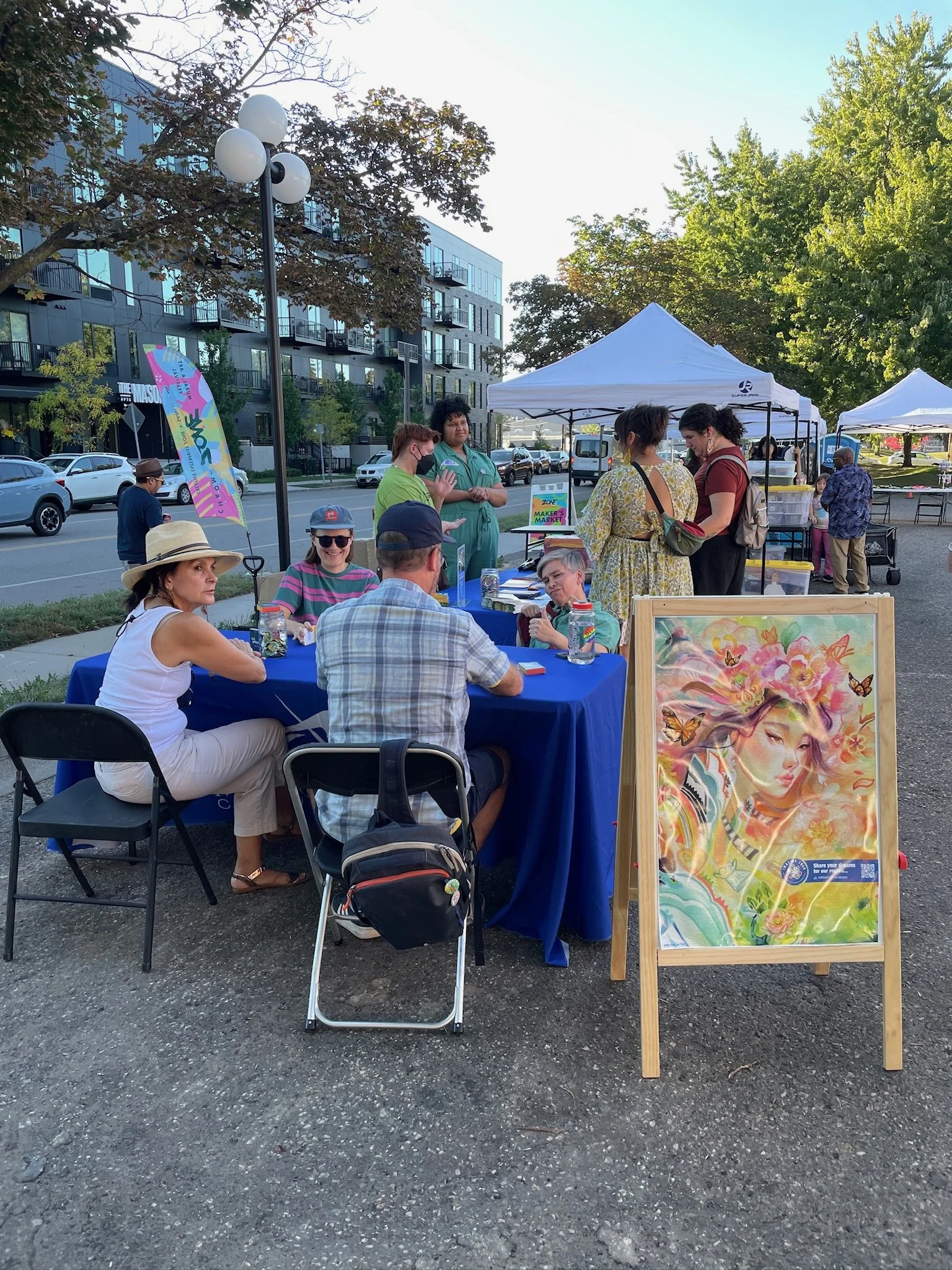
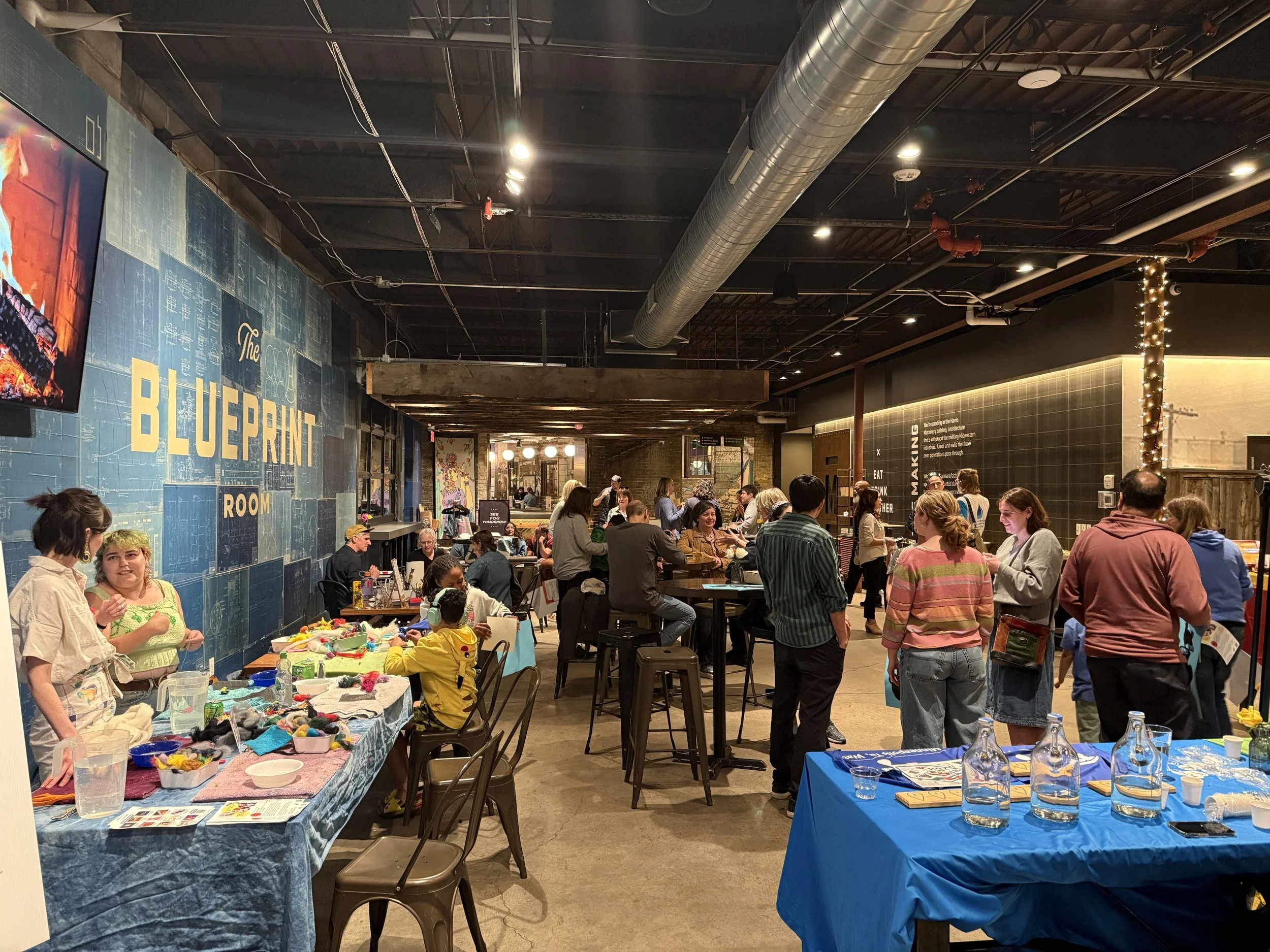
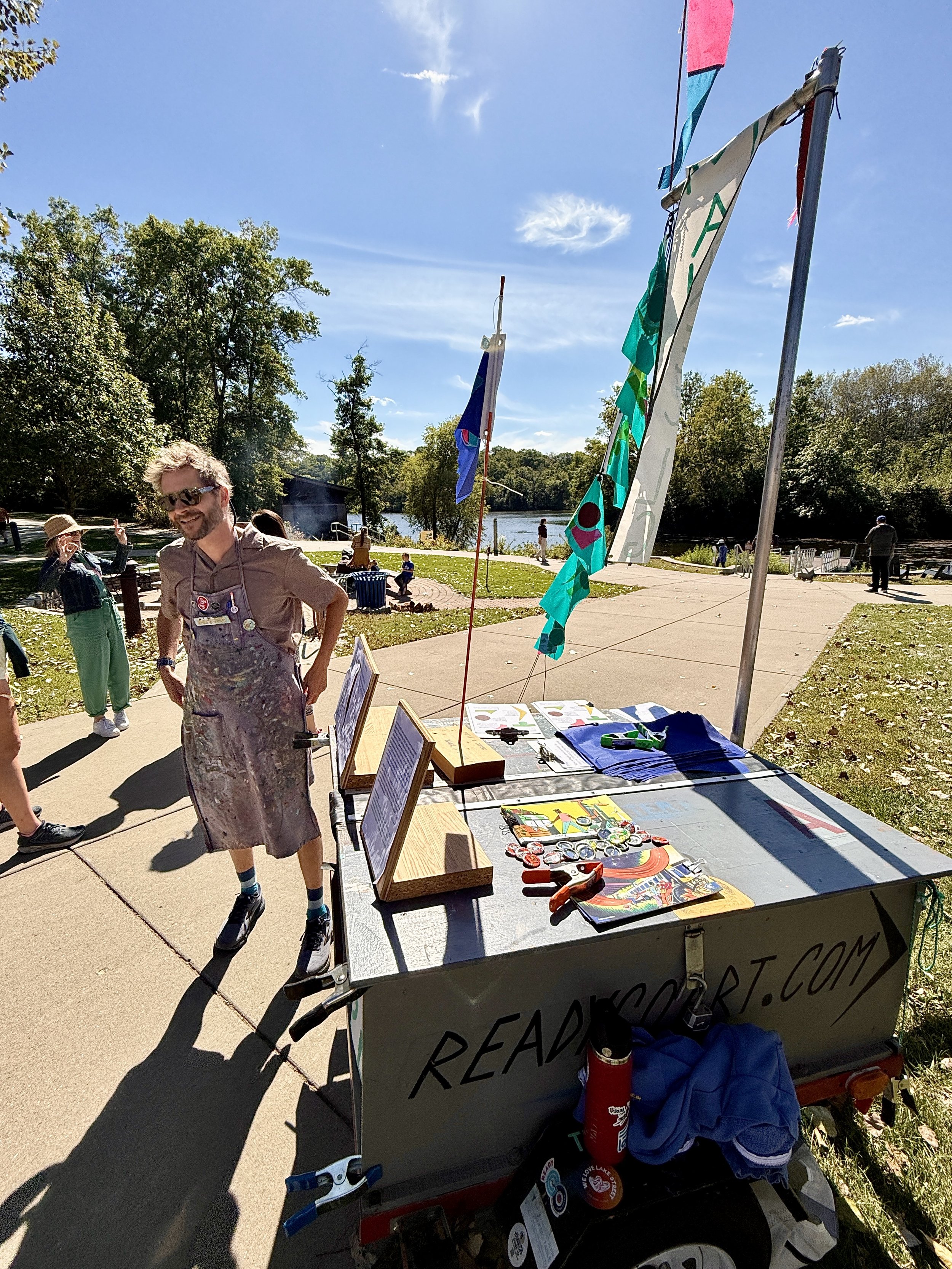
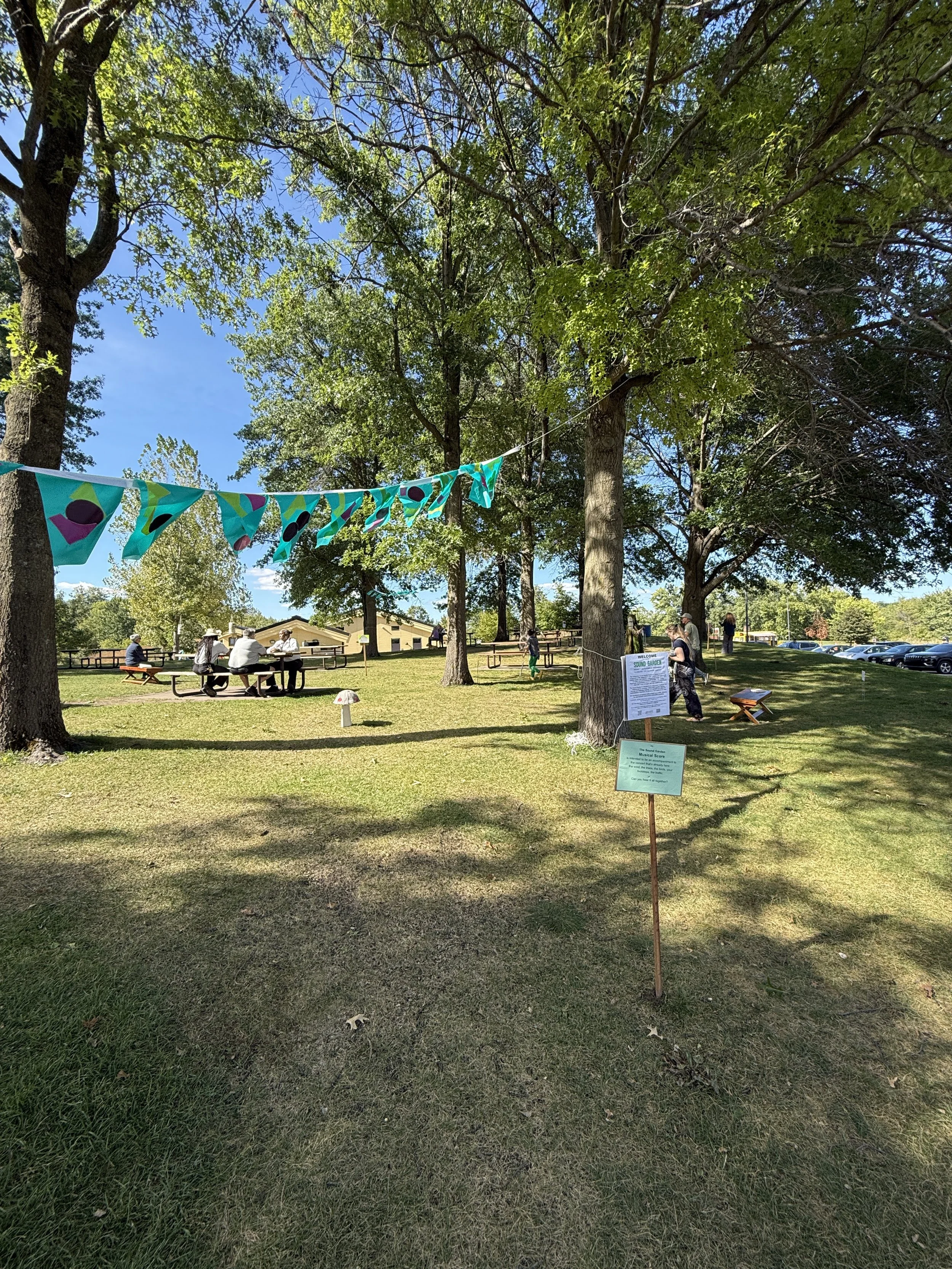
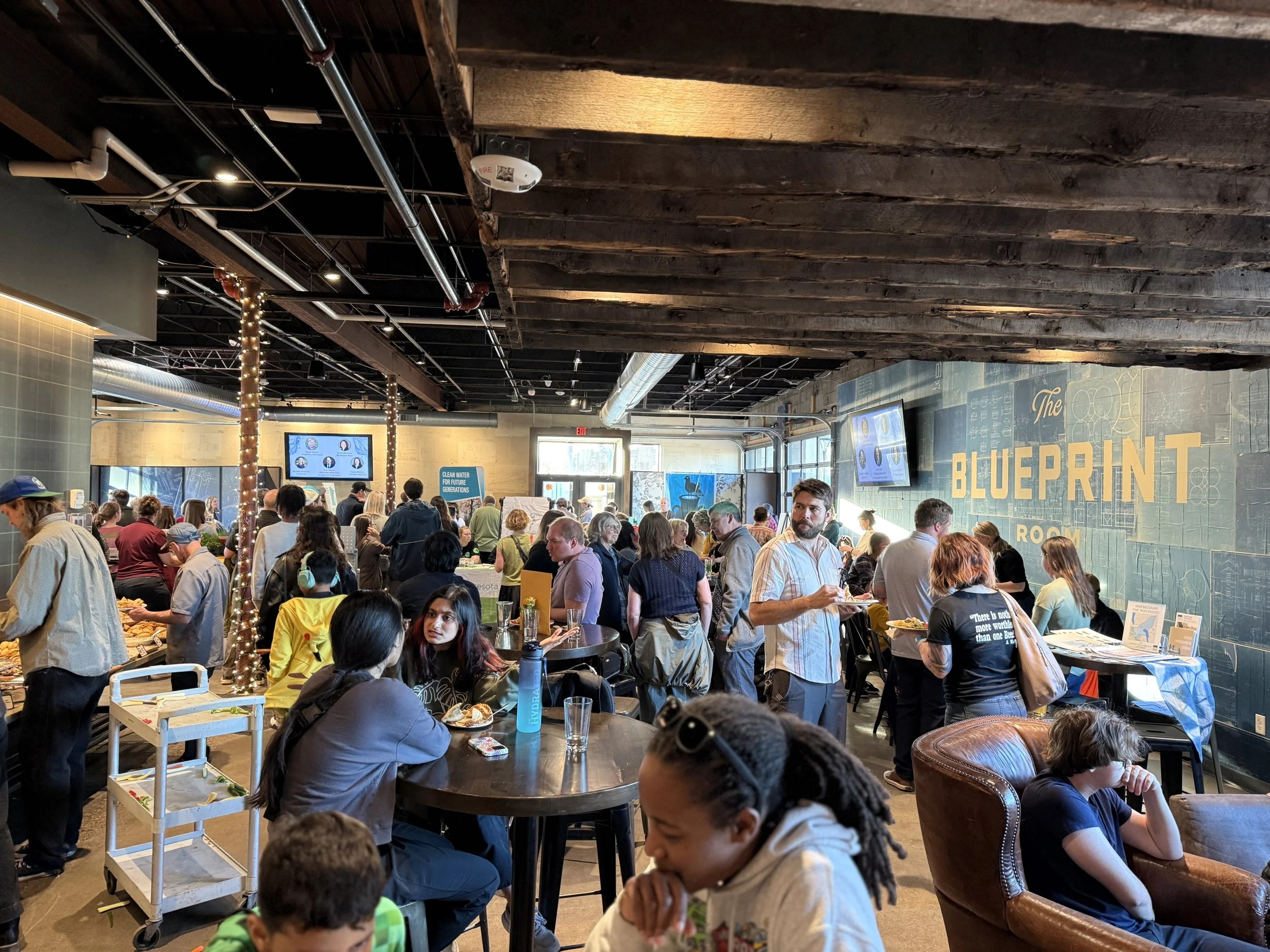
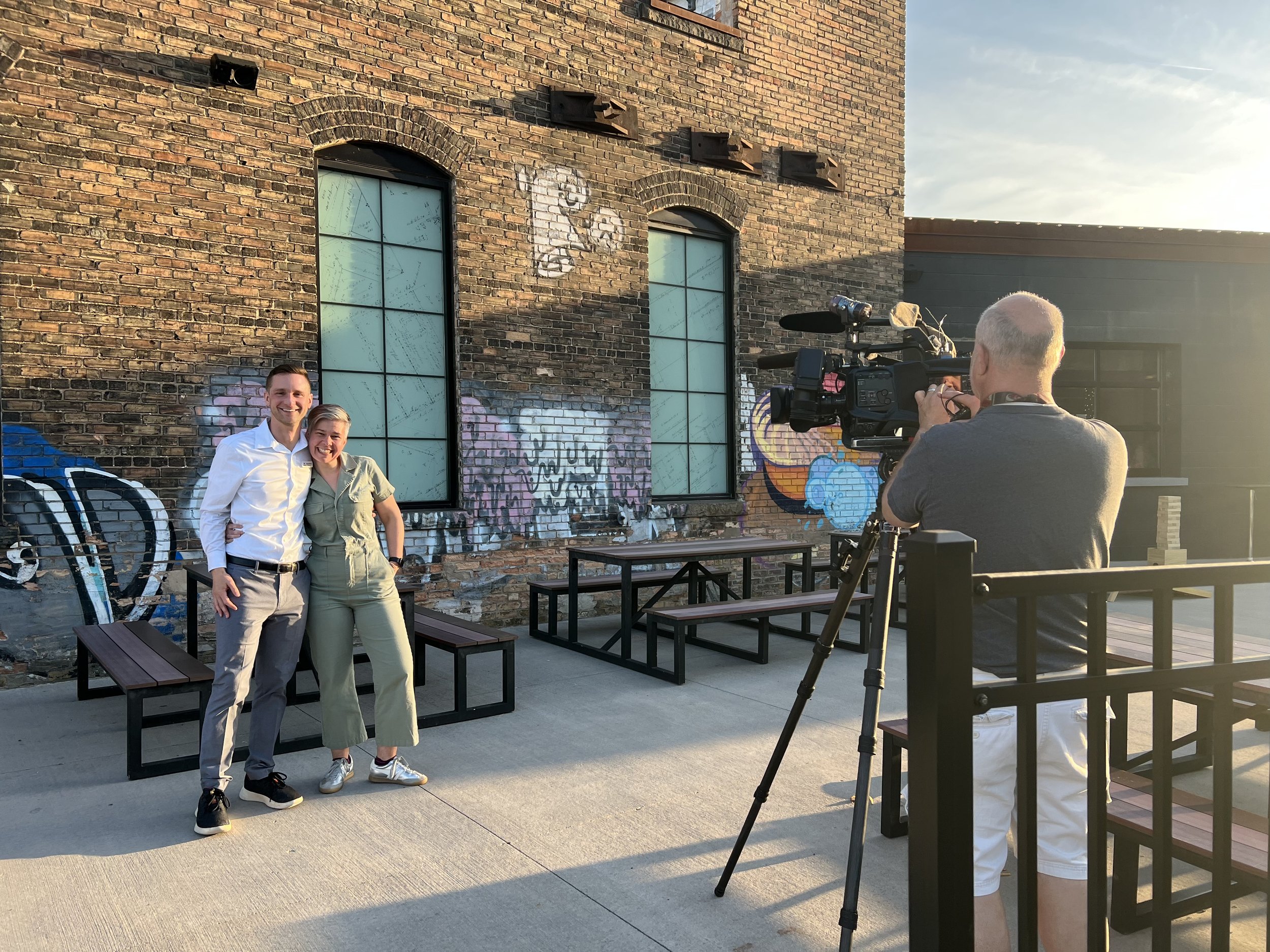
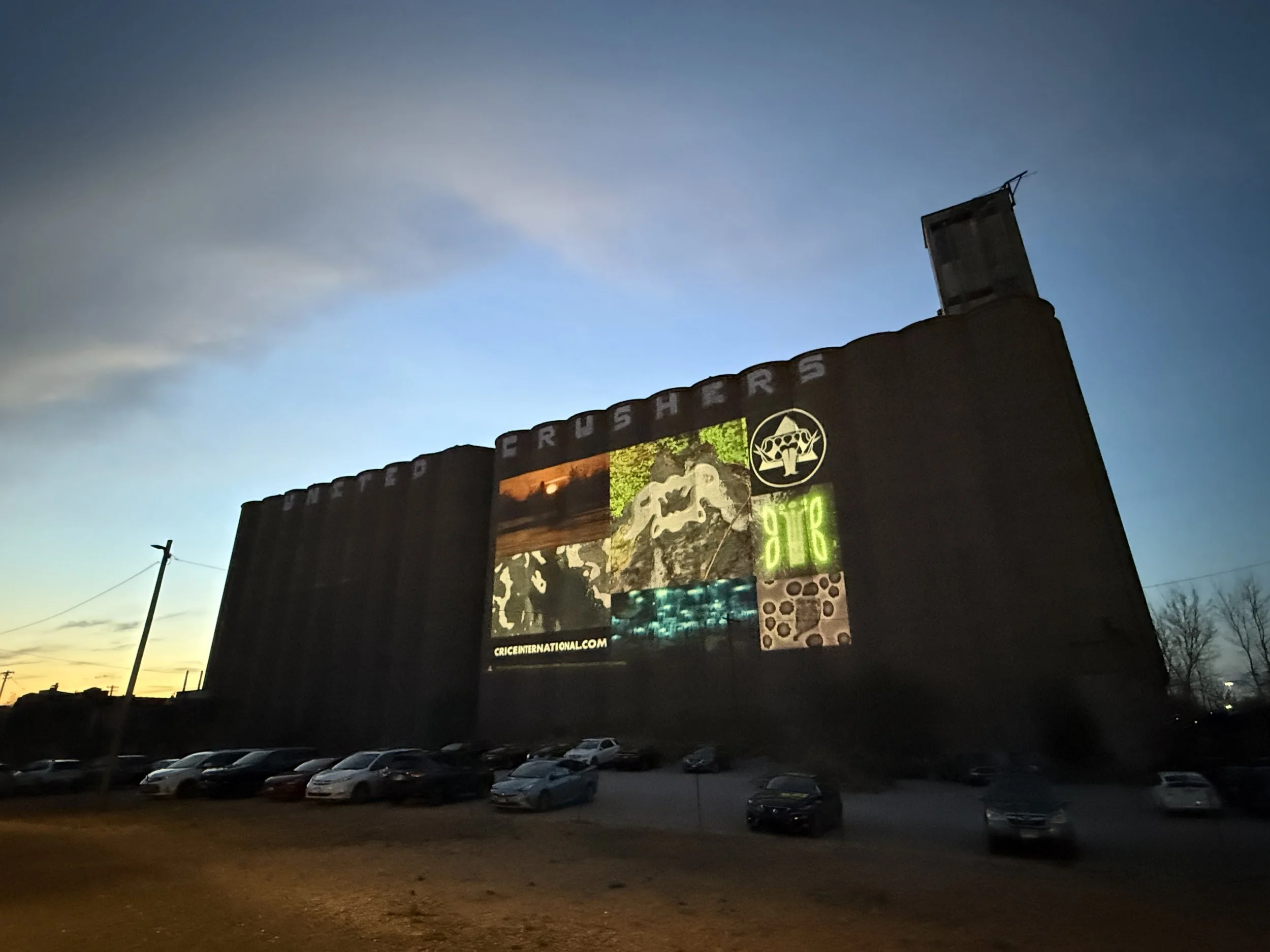
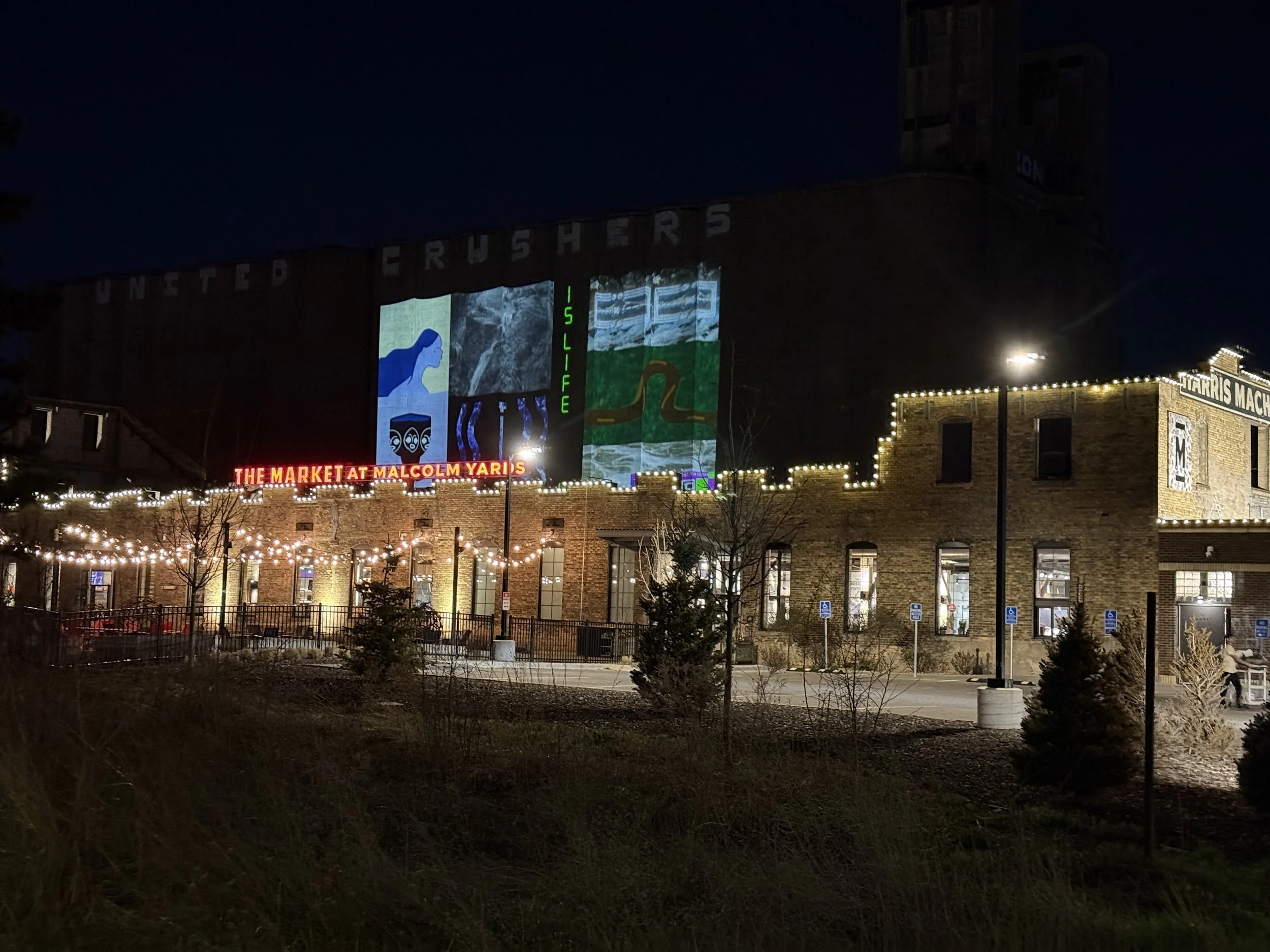
Artists led more than 20 public events with over 30 community partners, creating opportunities for participation through murals, sound installations, games, workshops, flags, projections, and youth-focused city-building activities.
-
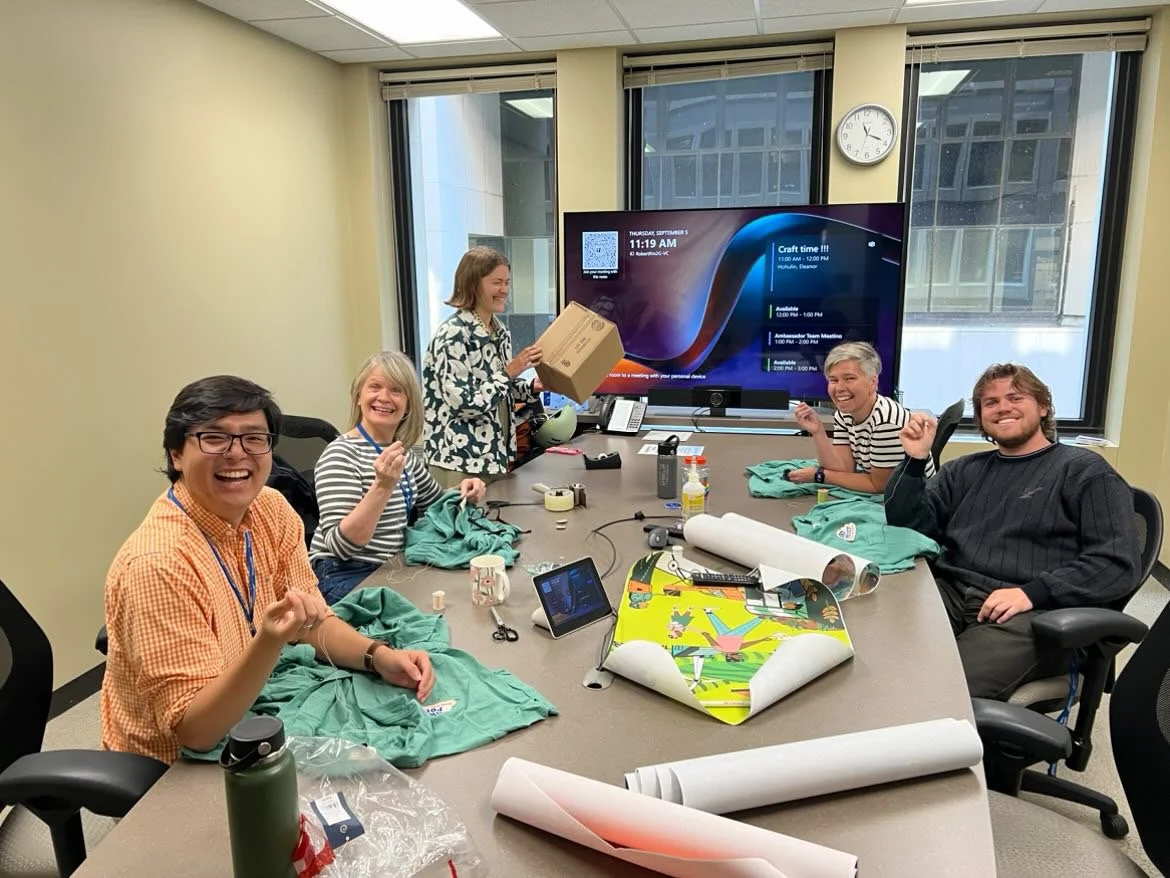
Playful Policy Tools
Projects like the “Go Policy!” card game translated regional policy goals into accessible and participatory formats for all ages.
-
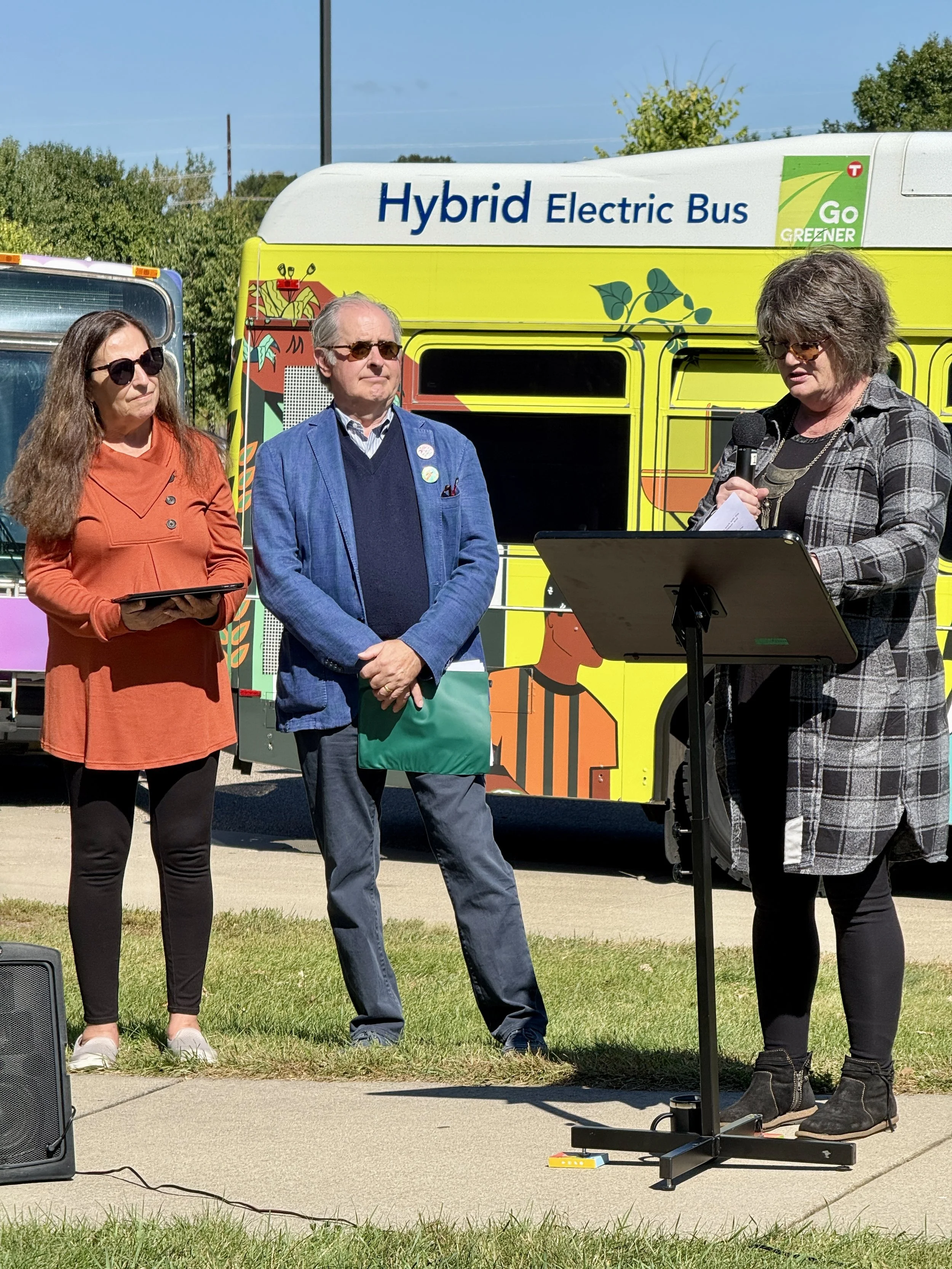
Community Conversations
Public convenings with organizations including the Walker Art Center and Towerside Innovation District explored climate, water, creativity, and civic life through cross-sector dialogue and participatory events.
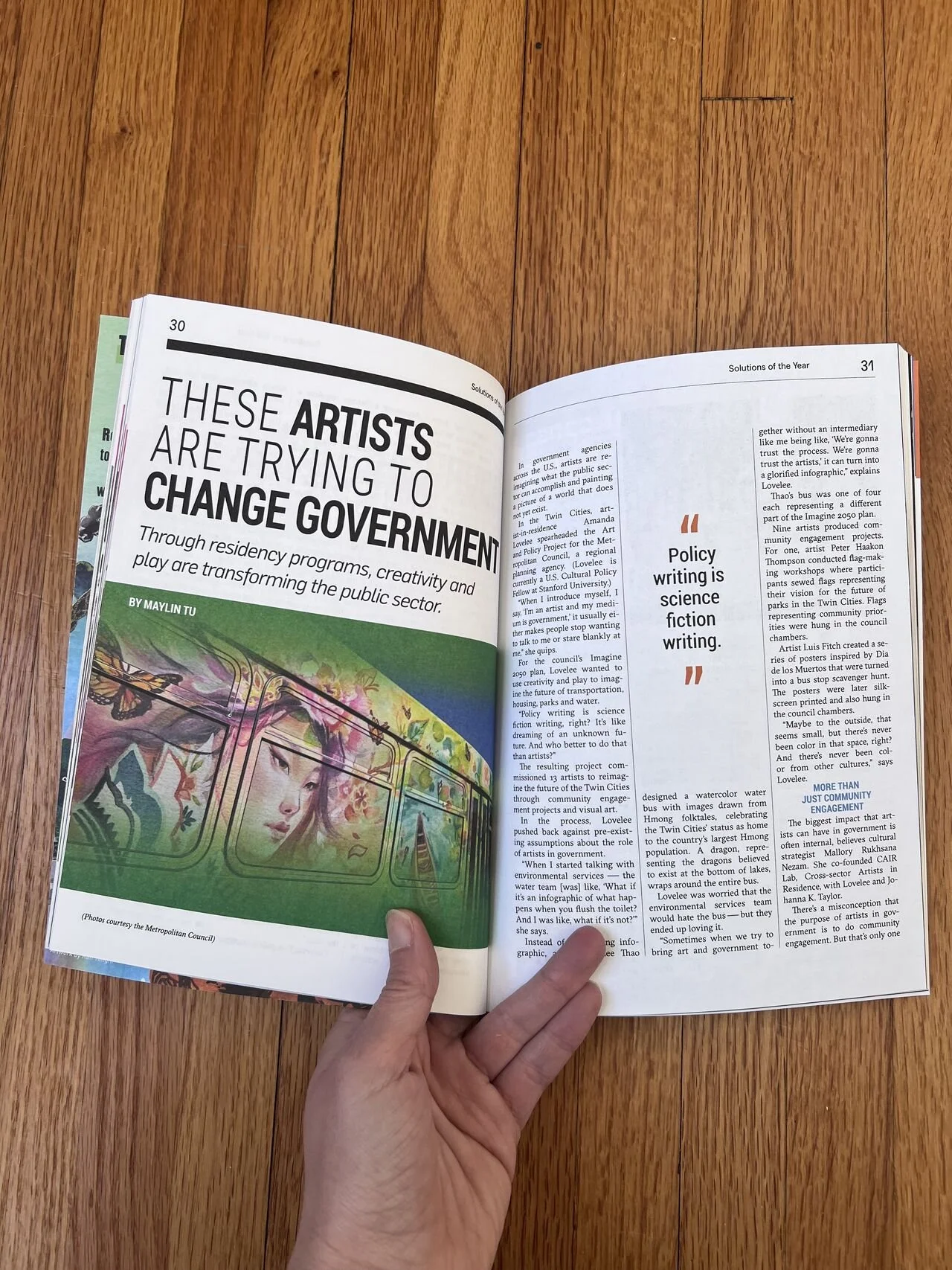
Outcomes + Impact
$500K pilot initiative embedded within the Metropolitan Council
13 commissioned artists across visual and engagement disciplines
20+ artist-led public events across six counties
30+ community and institutional partners
42M+ transit-based public impressions
500+ public comments generated through creative engagement
Expanded awareness of the Metropolitan Council and regional policy systems
Increased youth participation and nontraditional public engagement
Generated ongoing conversations around permanent creative engagement infrastructure within government
Insights
Art+Policy demonstrated that creative practice can function as infrastructure within civic systems
Challenges
The initiative required navigating institutional systems not designed for creative practice:
adapting procurement processes for independent artists
translating artistic work into government deliverables
coordinating across departments and policy teams
balancing experimentation with public accountability
integrating creative engagement within compressed planning timelines
At the same time, these tensions became part of the project’s value—demonstrating how creative practice can help institutions become more collaborative, experimental, and human-centered.
Learnings
Art + Policy reveals how creative practice serves as a mechanism for translation, participation, and institutional change—not simply as communications or programming.
The initiative showed how:
public infrastructure can become civic engagement platforms
artists can help translate complex systems into lived experience
creativity can reduce institutional silos
public participation expands when engagement is relational, visual, and experiential
imagination is essential to shaping collective futures
Takeaways
Art + Policy was conceived as a pilot, but its broader implication is a scalable model for embedding creative civic infrastructure into planning, policy, and public institutions.
The work points toward new operating models where artists, policymakers, and communities collaborate continuously—not only during formal planning cycles, but as part of ongoing civic life.