Community Pulse
Building Civic Intelligence at the Scale of Place
Minneapolis–Saint Paul
Community Pulse
Building Civic Intelligence at the Scale of Place
Minneapolis–Saint Paul
Overview
The Community Pulse project was a district-wide research and engagement initiative developed to understand who spends time around the University Avenue Corridor, how people experience its neighborhoods, and what they would prioritize for its future.
An asset-based and equitable development philosophy that a great neighborhood is built together drove the initiative.
The project combined quantitative questions, place-based digital mapping, paper surveys, multilingual access, community partnerships, and targeted in-person outreach. Rather than gathering input around a single proposed development or infrastructure project, the Community Pulse project created a shared baseline that could inform district strategy, public-realm investment, economic development, programming, and future engagement.
The survey also tested a larger idea: how a place-based organization can listen across neighborhoods, properties, institutions, and individual projects to build a more complete understanding of place.
Roles: Executive Director
Organization: Towerside Innovation District
Timeline: 2025
Focus Areas:
Community Engagement
District Strategy
Spatial Research
Economic and community development
Civic Infrastructure
Location: Minneapolis–Saint Paul
Scale:
368 total responses
Online and paper participation with quantitative, qualitative, and map-based questions
Active outreach to residents, workers, students, businesses, and visitors using surveys in English, Hmong, Somali, and Spanish
Analysis across demographic and geographic subgroups
Listening at the Scale of Place
Most community engagement begins with a specific project, property, or decision. The Community Pulse project began with a broader question: what can be learned when people are invited to describe their everyday experience of an entire district?
The initiative treated place itself as the unit of inquiry, listening across neighborhood, organizational, and property boundaries. It explored who spends time in the area, how people move through and experience the district, and what they value or want to change.
By connecting community perspectives with specific streets, destinations, and public spaces, the Community Pulse project created a shared foundation for understanding the district as a whole and informing future planning, investment, programming, and stewardship.
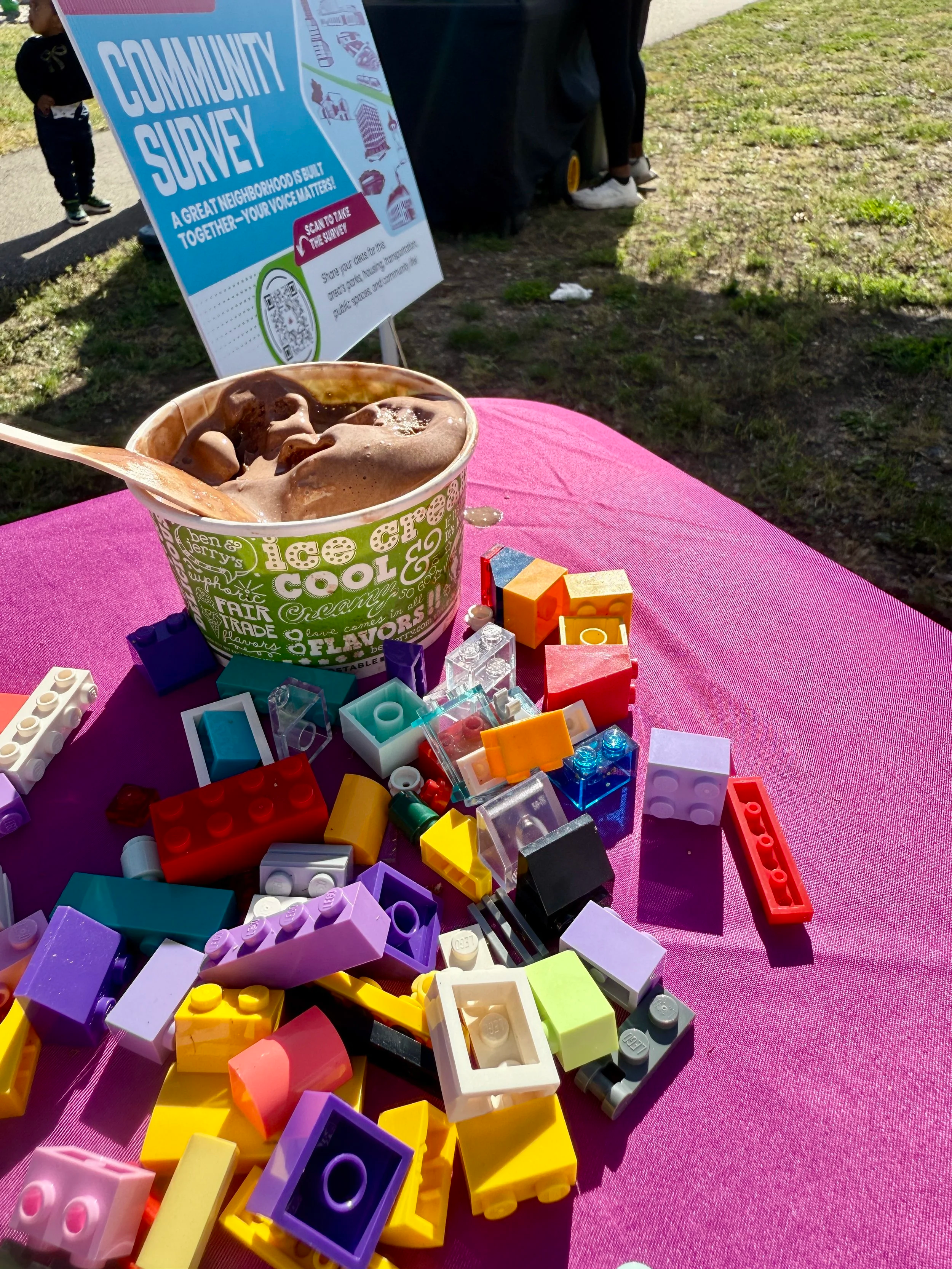
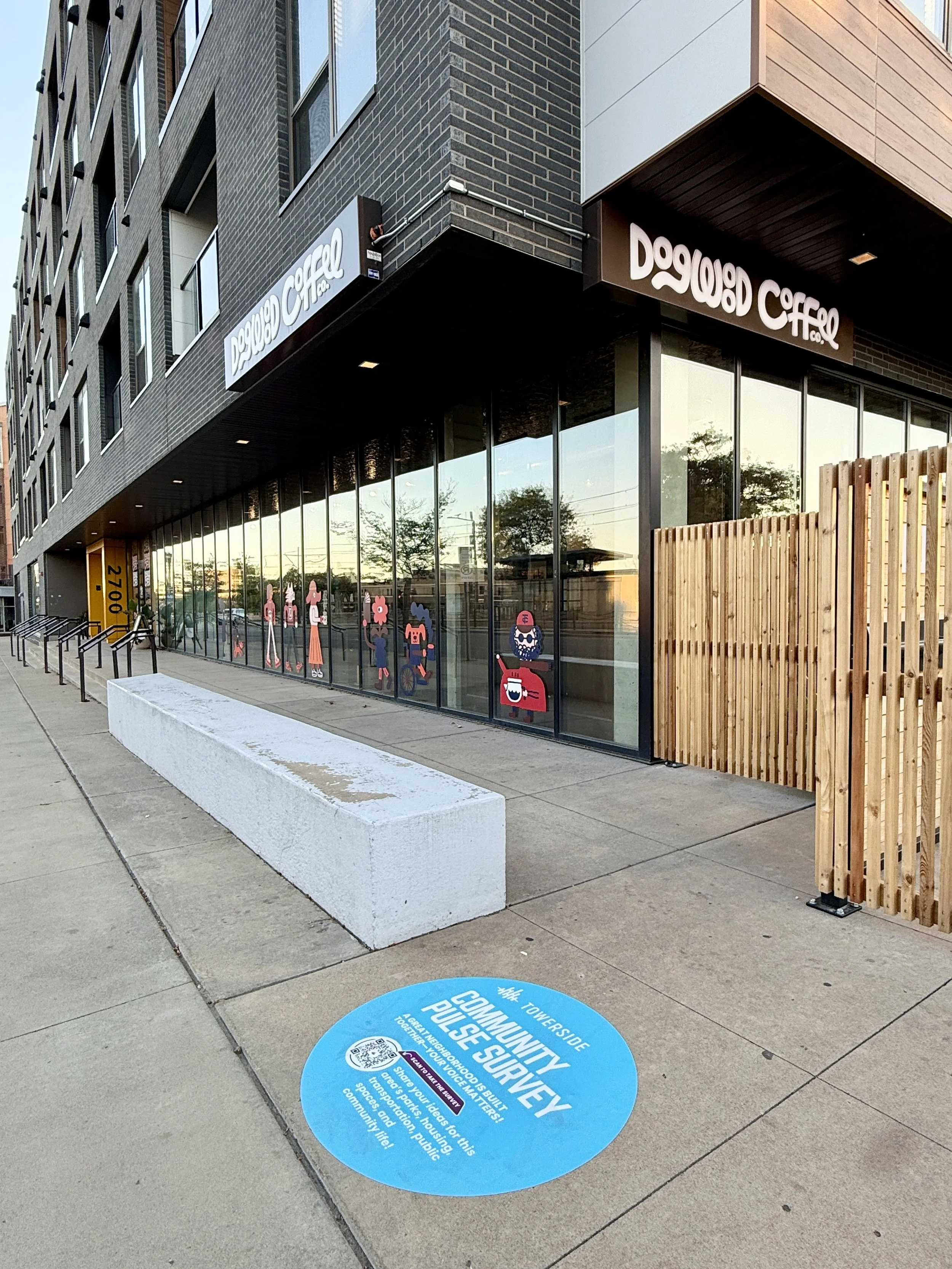
Community Pulse promotion - 2025
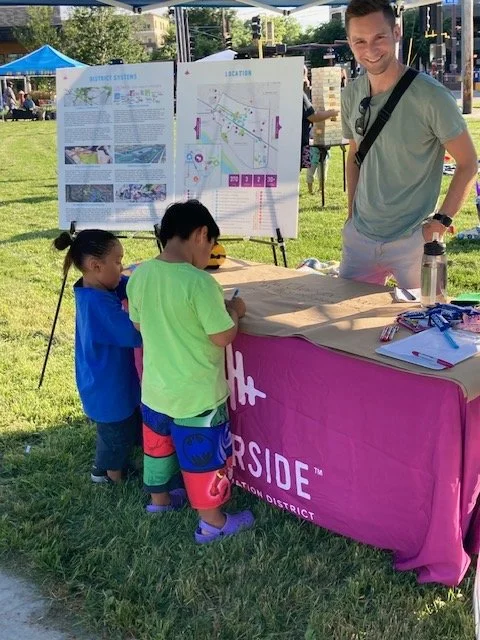
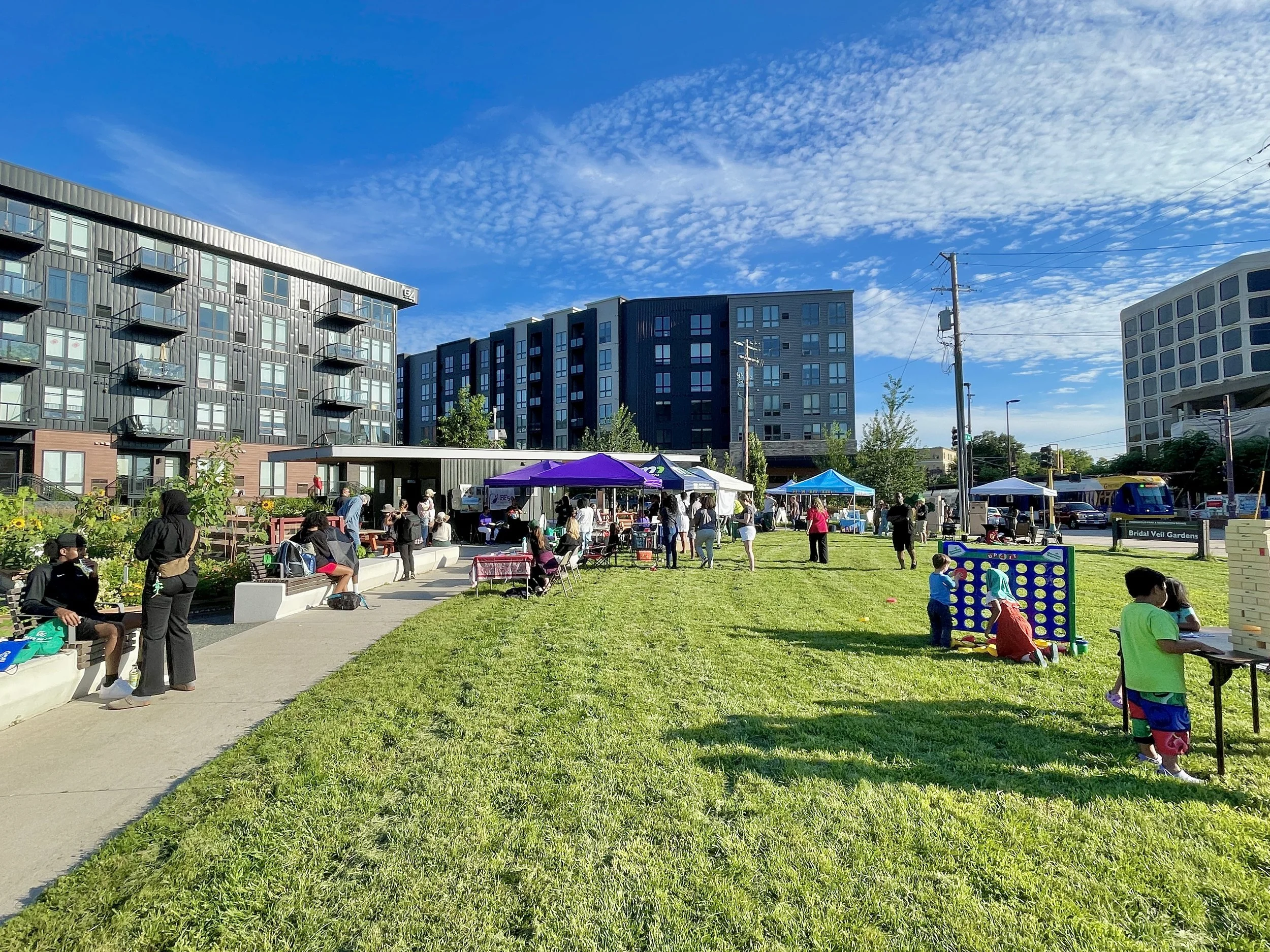
Green 4th Street celebration & Harvest Festival event - 2024
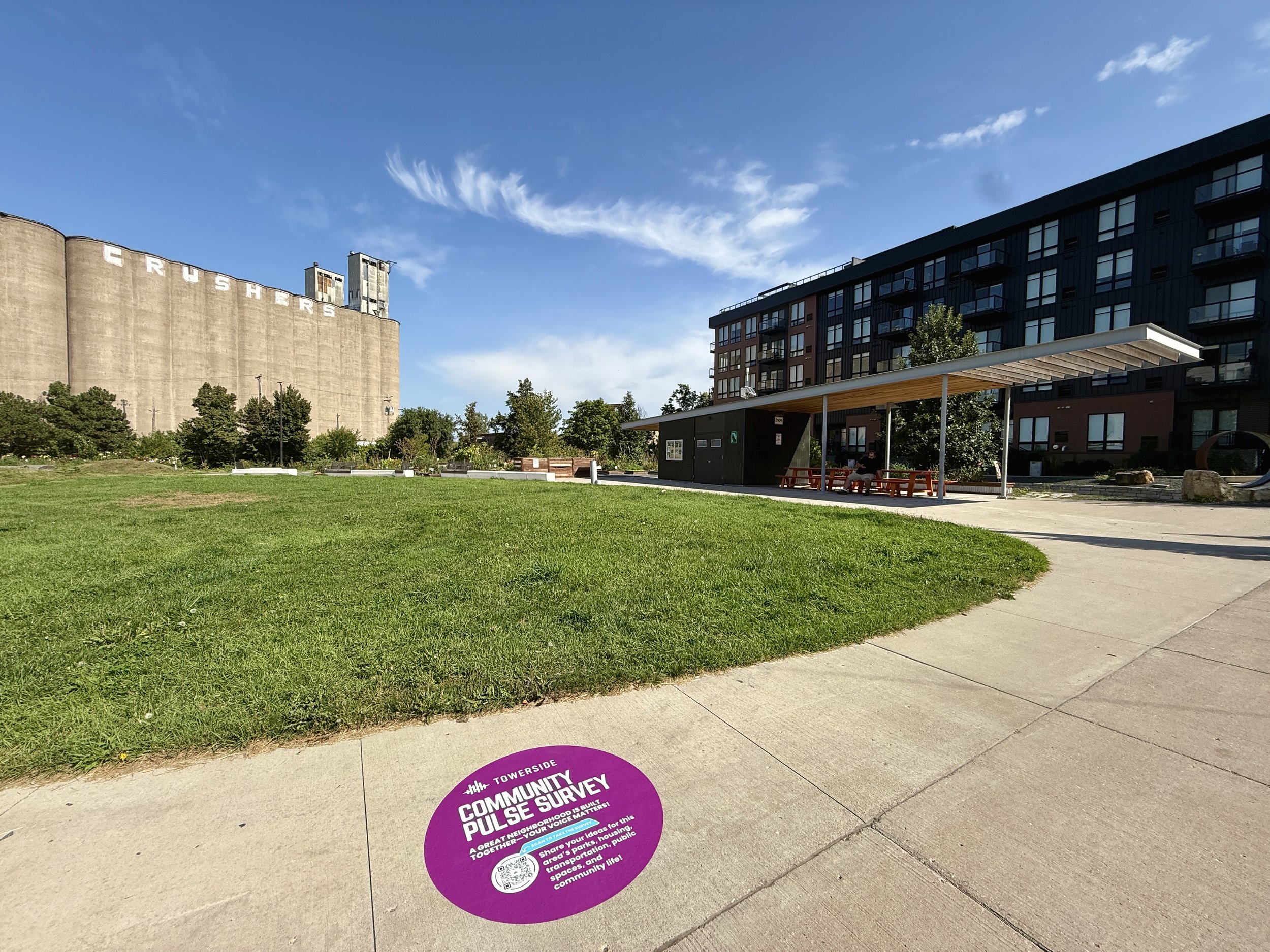
Community Pulse promotion - 2025
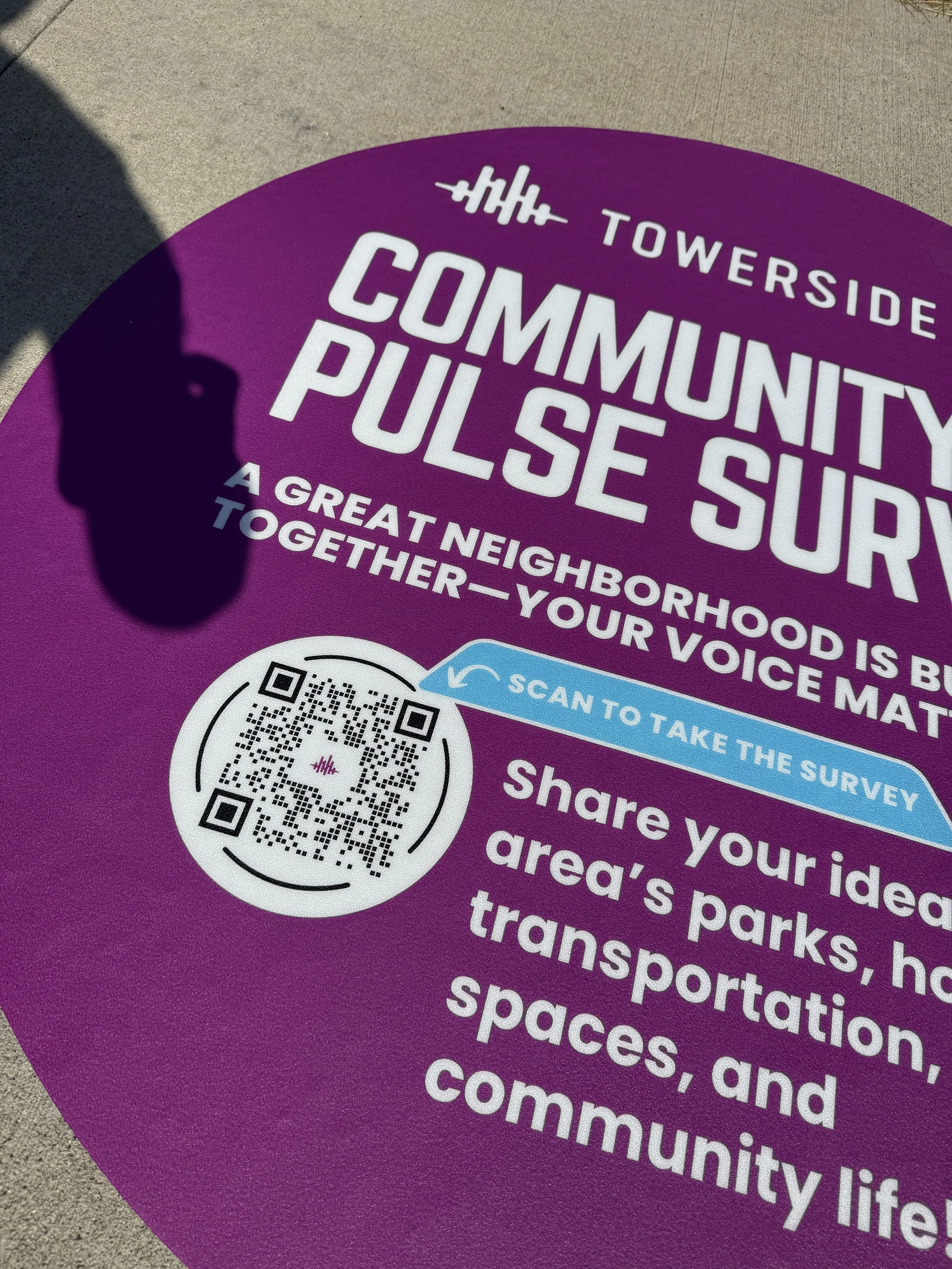
Community Pulse promotion - 2025
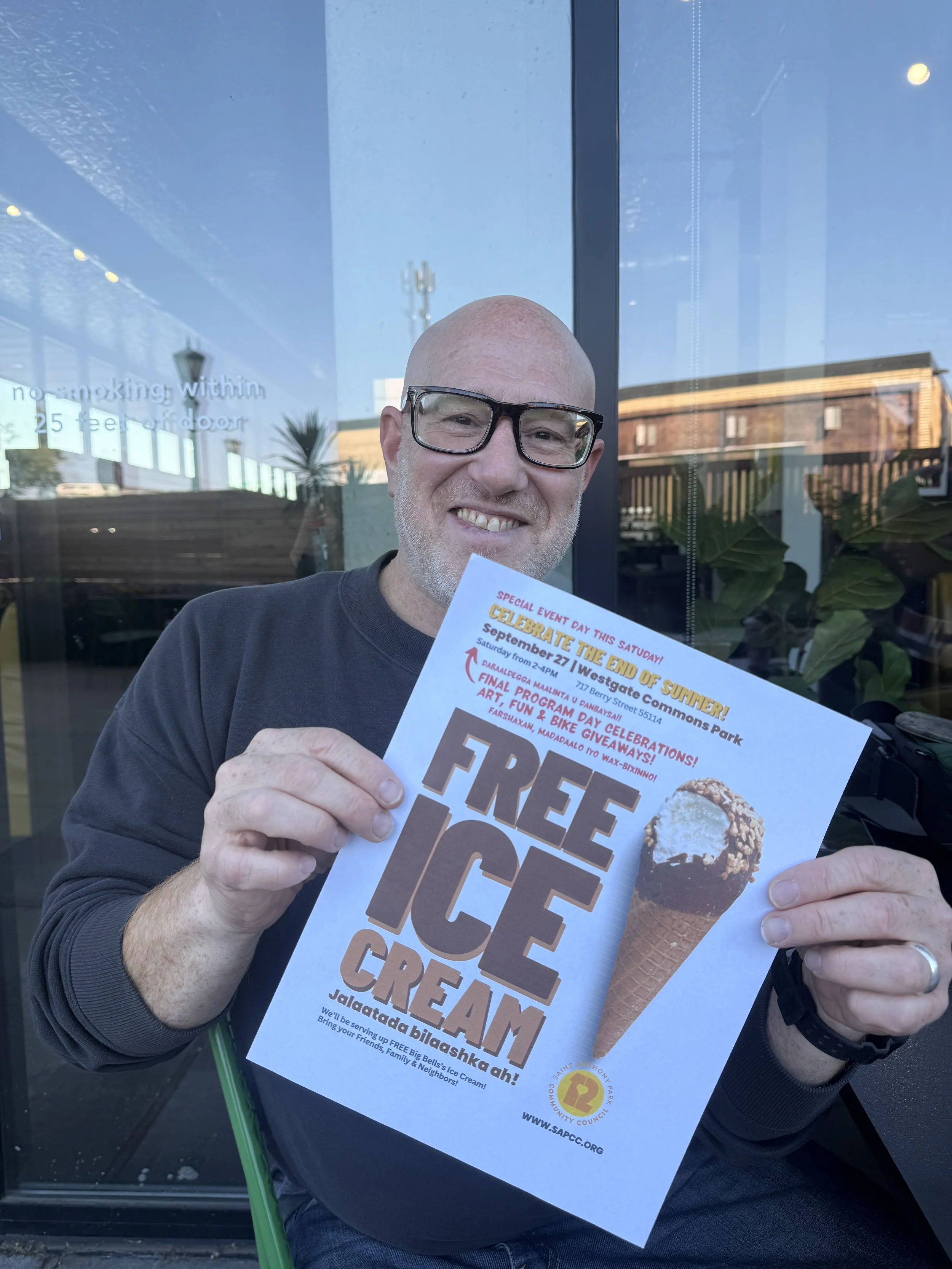
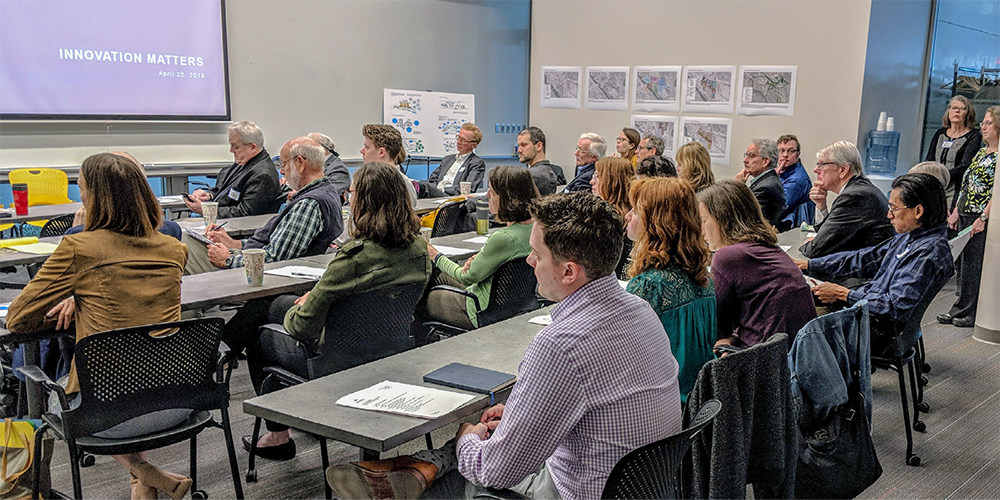
Community Pulse partner collaboration - 2025
Community Pulse partner collaboration - 2025
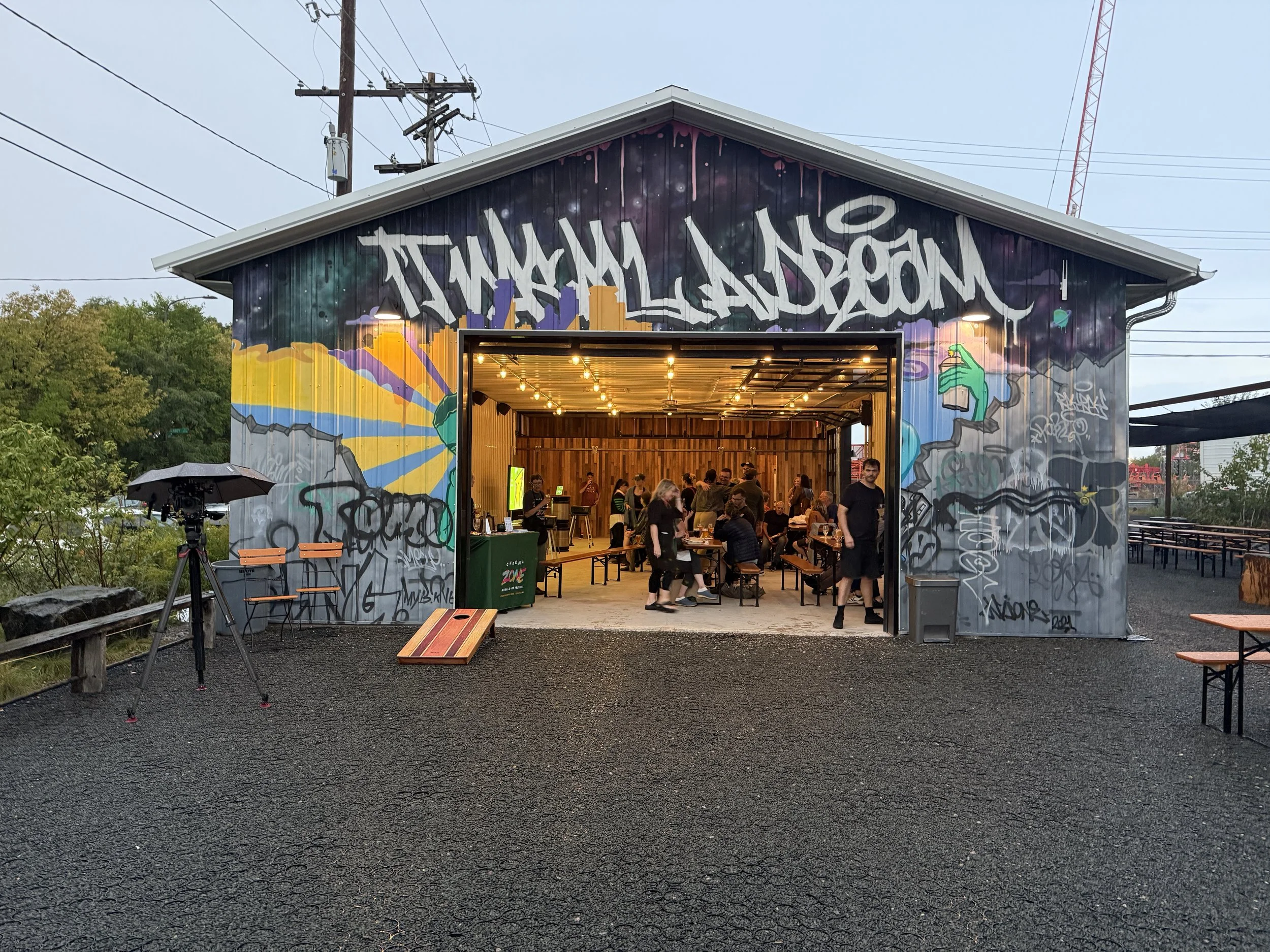
Community Pulse partner collaboration - 2025
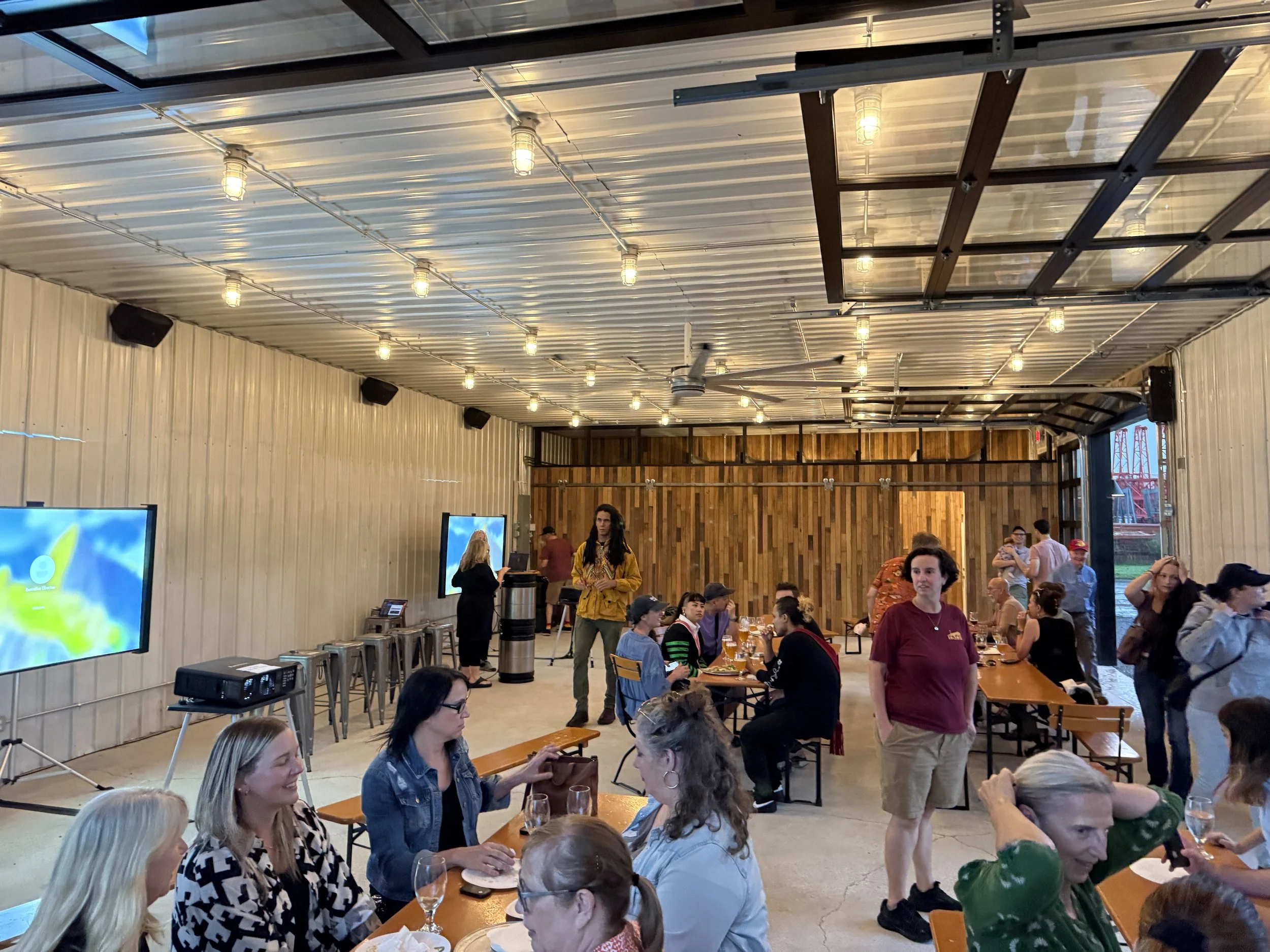
Community Pulse hospitality suite engagement - 2025
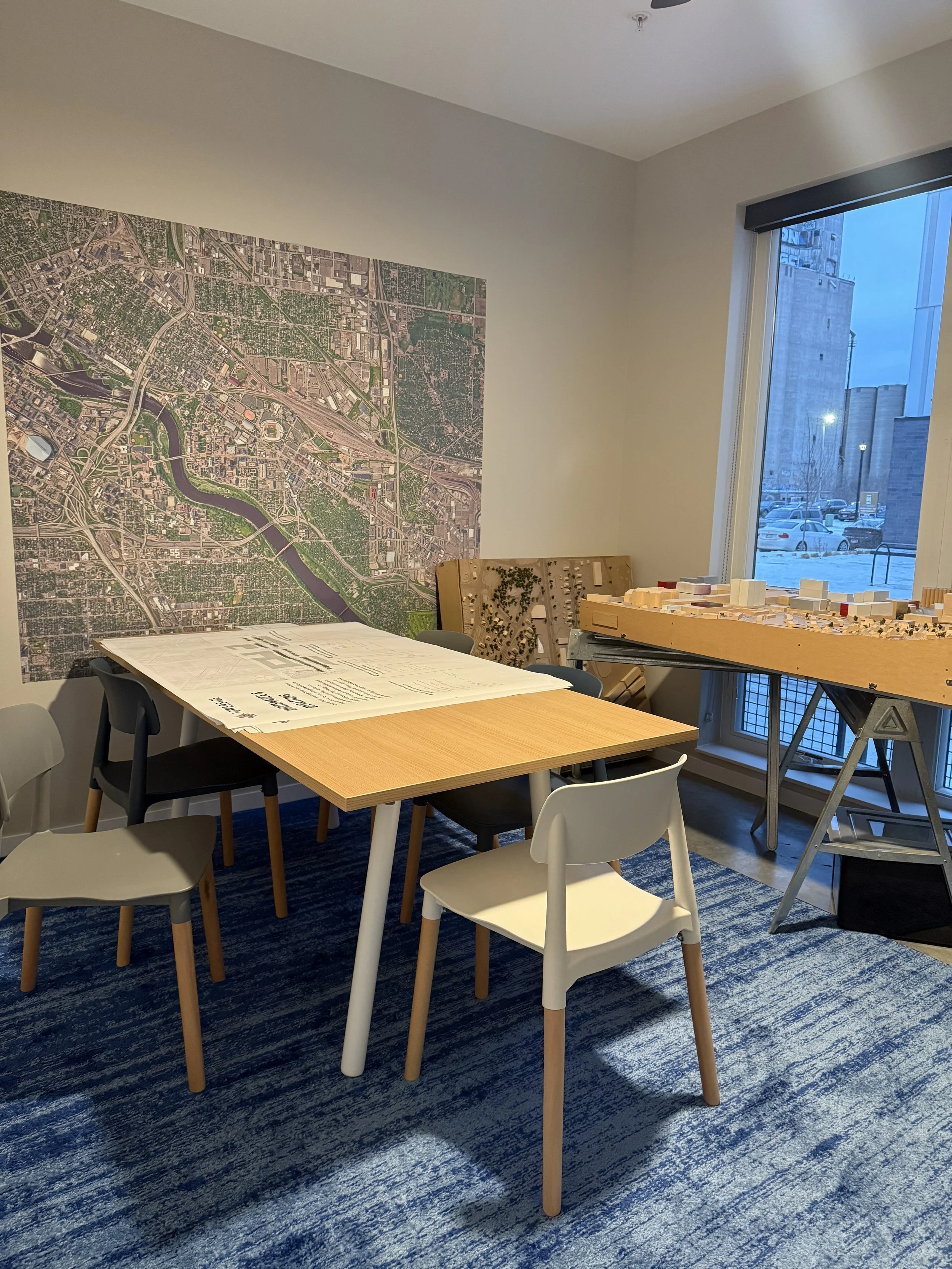
Community Pulse hospitality suite engagement - 2025
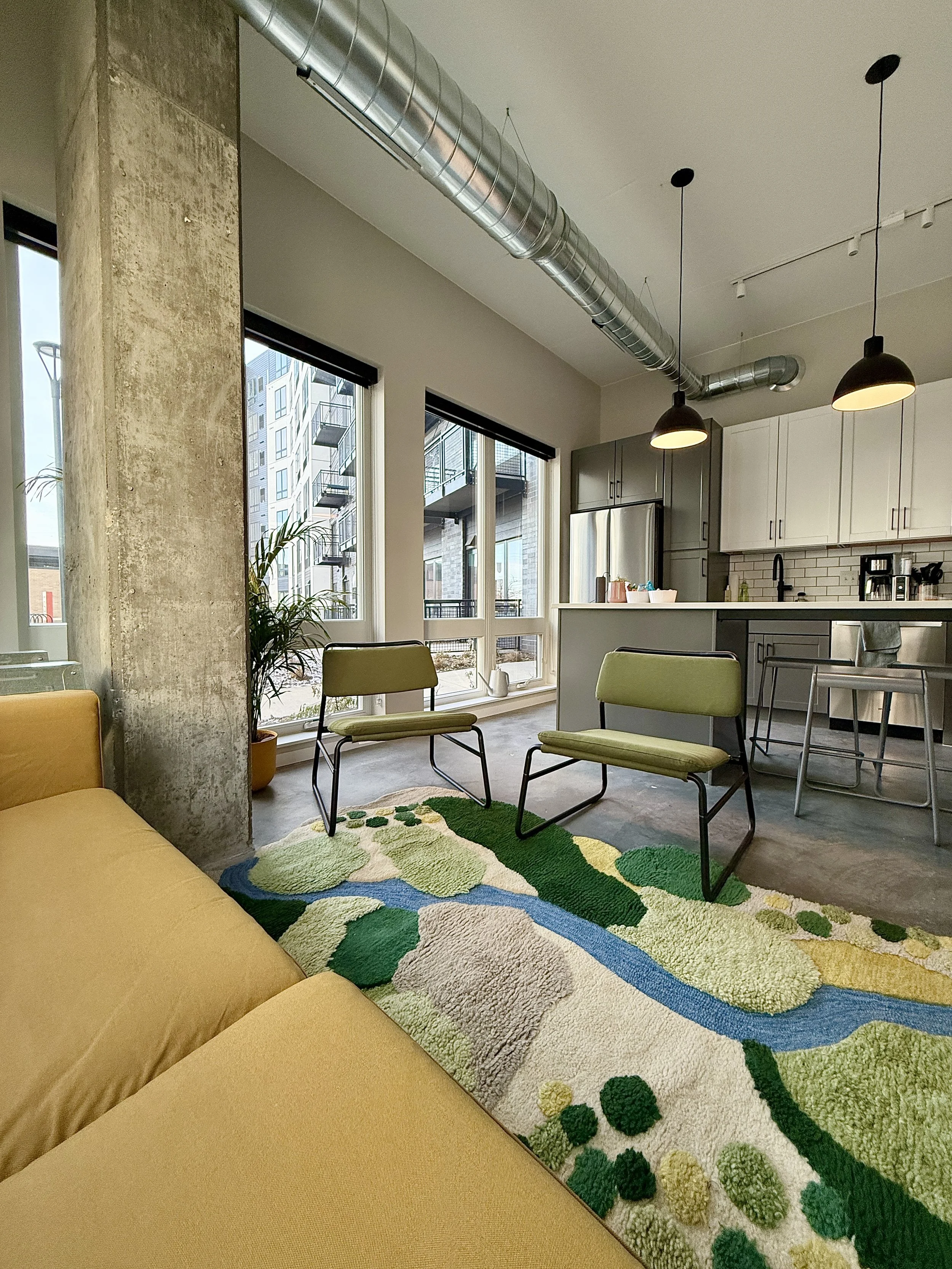
Community Pulse hospitality suite engagement - 2025
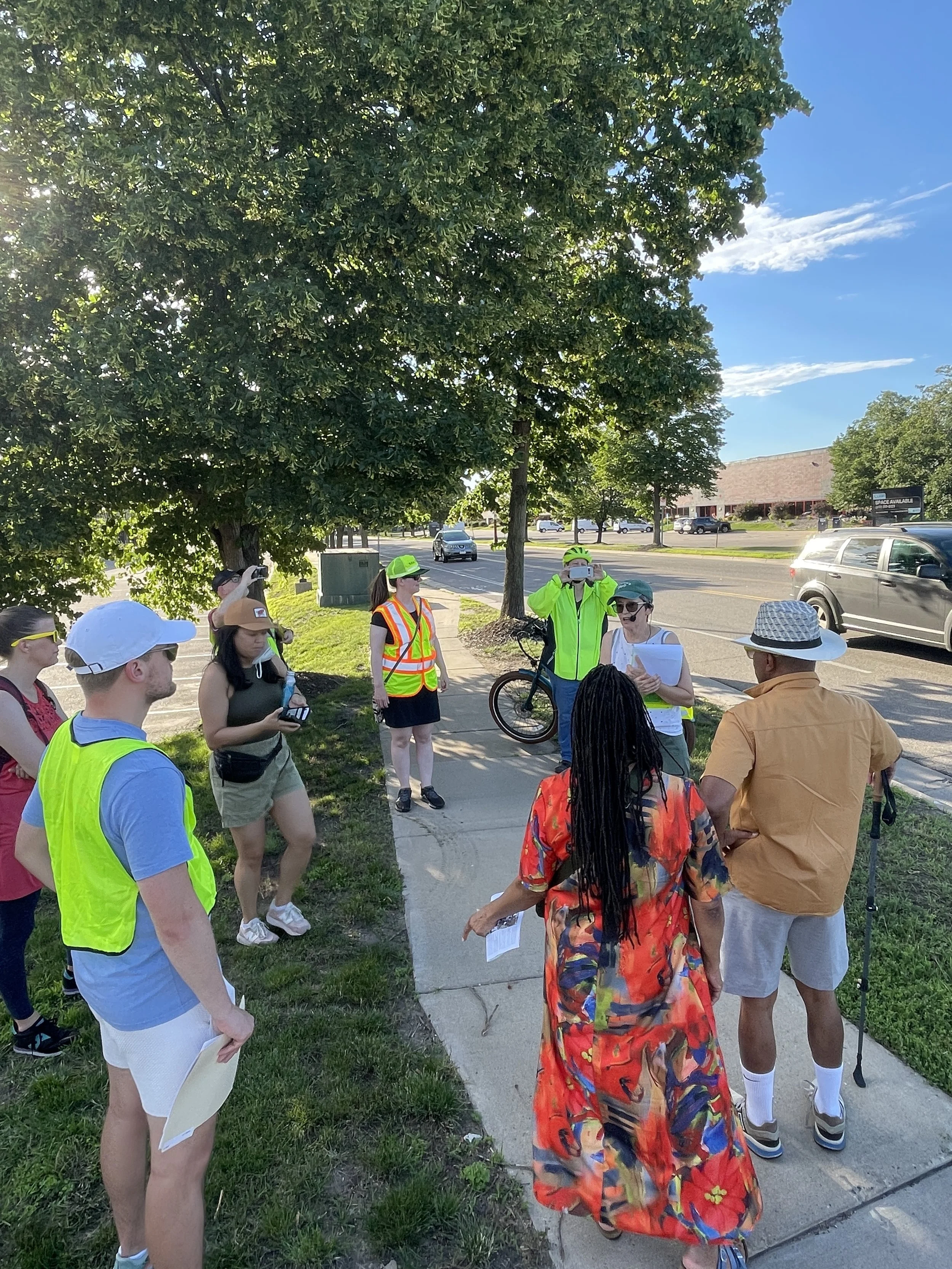
Community Pulse partner collaboration - 2025
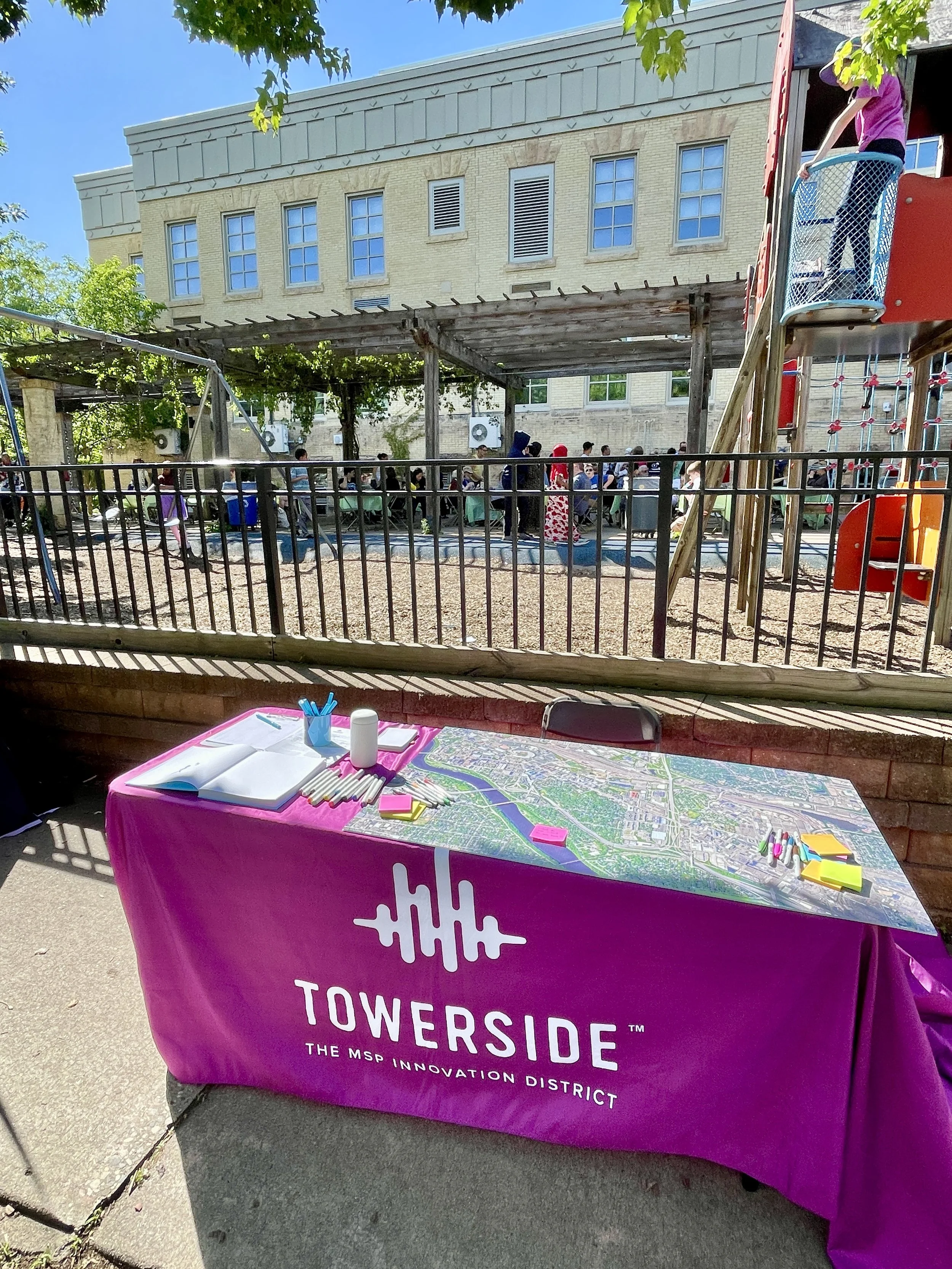
Community Pulse partner collaboration - 2025
Approach
Designing a District Listening System
The initiative combined survey research, place-based mapping, multilingual access, and direct community outreach to understand how people experienced the district as a whole.
Rather than organizing engagement around one proposed project, the work asked three broader questions:
Who spends time here?
How is the place experienced?
What should shape its future?
Digital and paper tools were paired with community events, partner networks, and direct outreach. Map-based questions connected people’s experiences to specific streets, destinations, public spaces, and barriers.
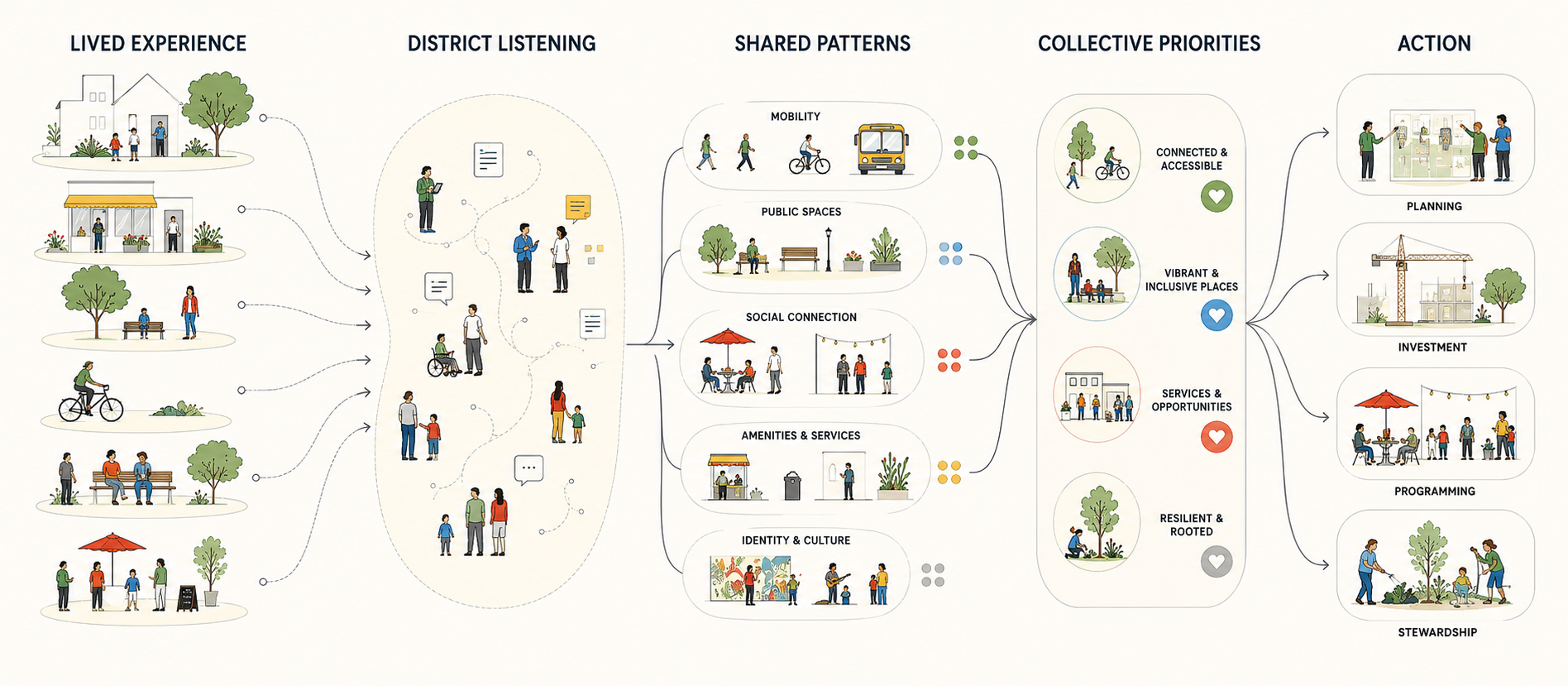
The result was both a body of community knowledge and a repeatable model for district-scale listening.
Key contributions
As project lead, I:
established the initiative’s purpose and connection to district strategy
guided development of the research questions and survey framework
led the place-based mapping and participation approach
directed outreach across residents, businesses, institutions, and community partners
reviewed findings and translated them into planning and implementation priorities
A research and evaluation partner advised on survey design and completed the formal analysis.
System Model
From Lived Experience to Coordinated Action
What We Learned
-
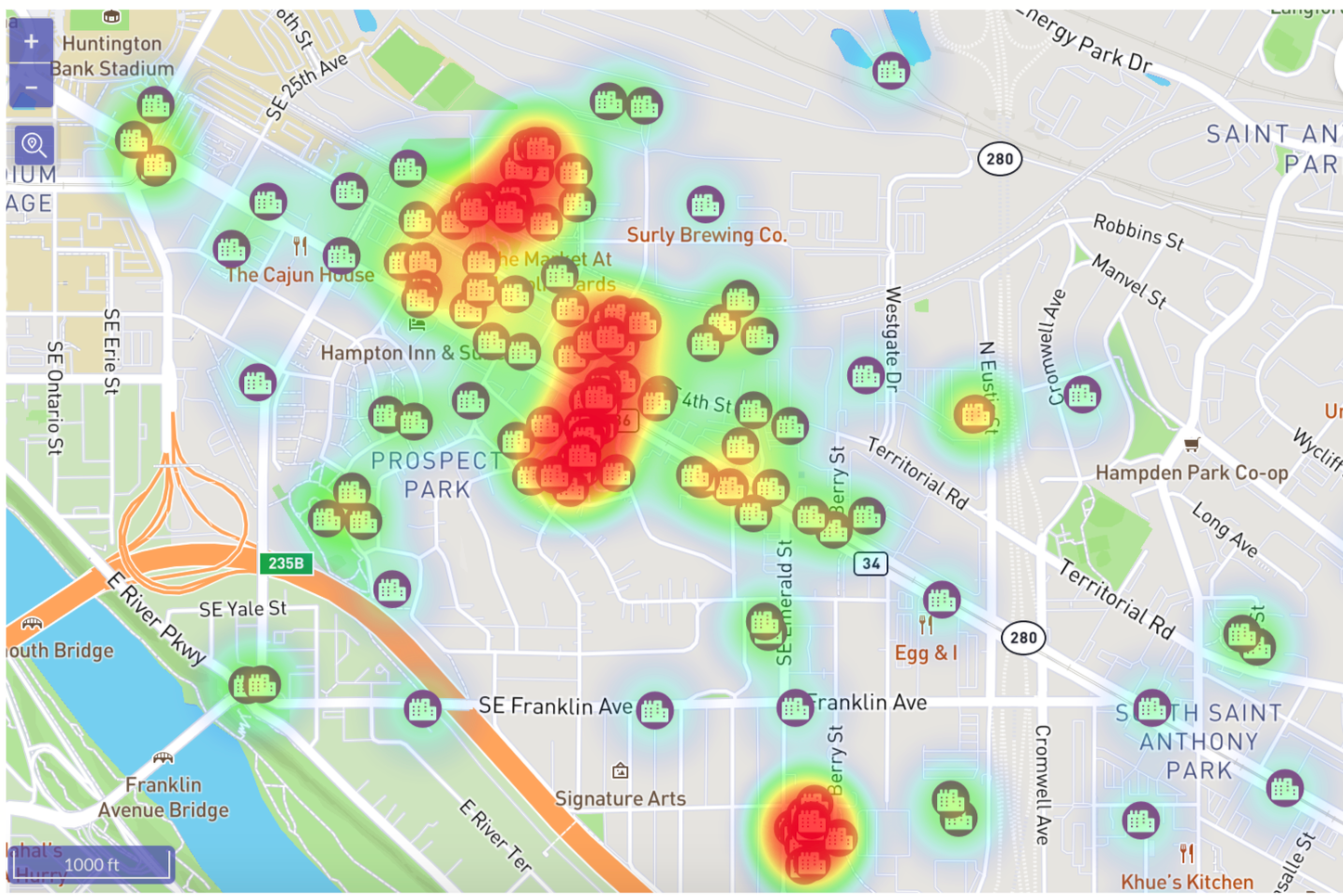
Access Is a Strength, but Movement Is Uneven
Strong transit access, walkability, and connections to nearby destinations shaped how many people experienced the district. Seventy-five percent of respondents regularly walked through the area. At the same time, unsafe crossings, traffic speeds, missing bike connections, winter conditions, and nighttime safety created specific points of friction.
-
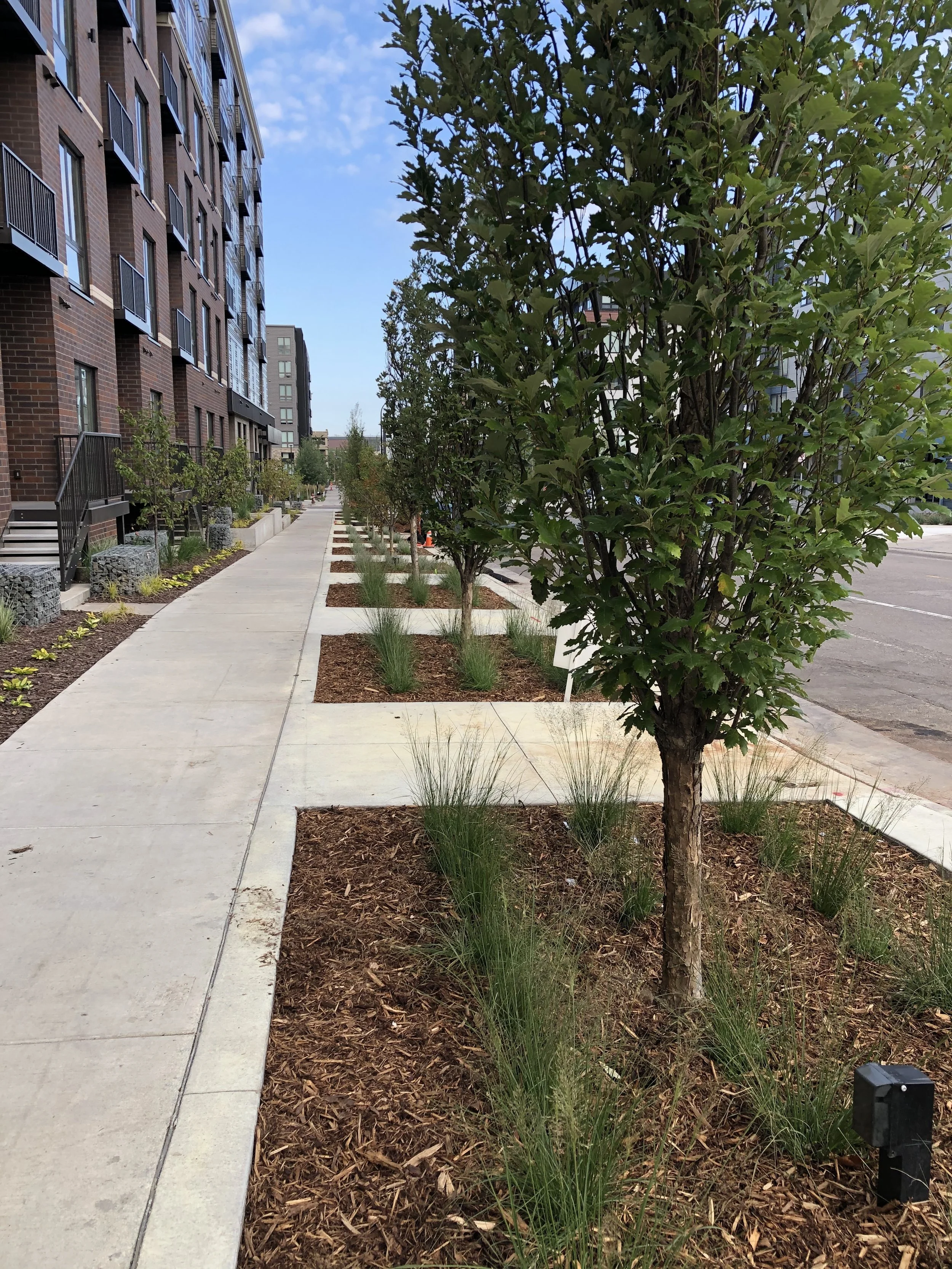
Public Life Depends on Everyday Comfort
People valued parks, trails, and outdoor gathering places, while calling for more trees, shade, seating, and comfortable walking connections. The findings reinforced that active public life depends not only on major destinations, but on the everyday conditions that make it easier to pause, move, gather, and spend time outside.
-
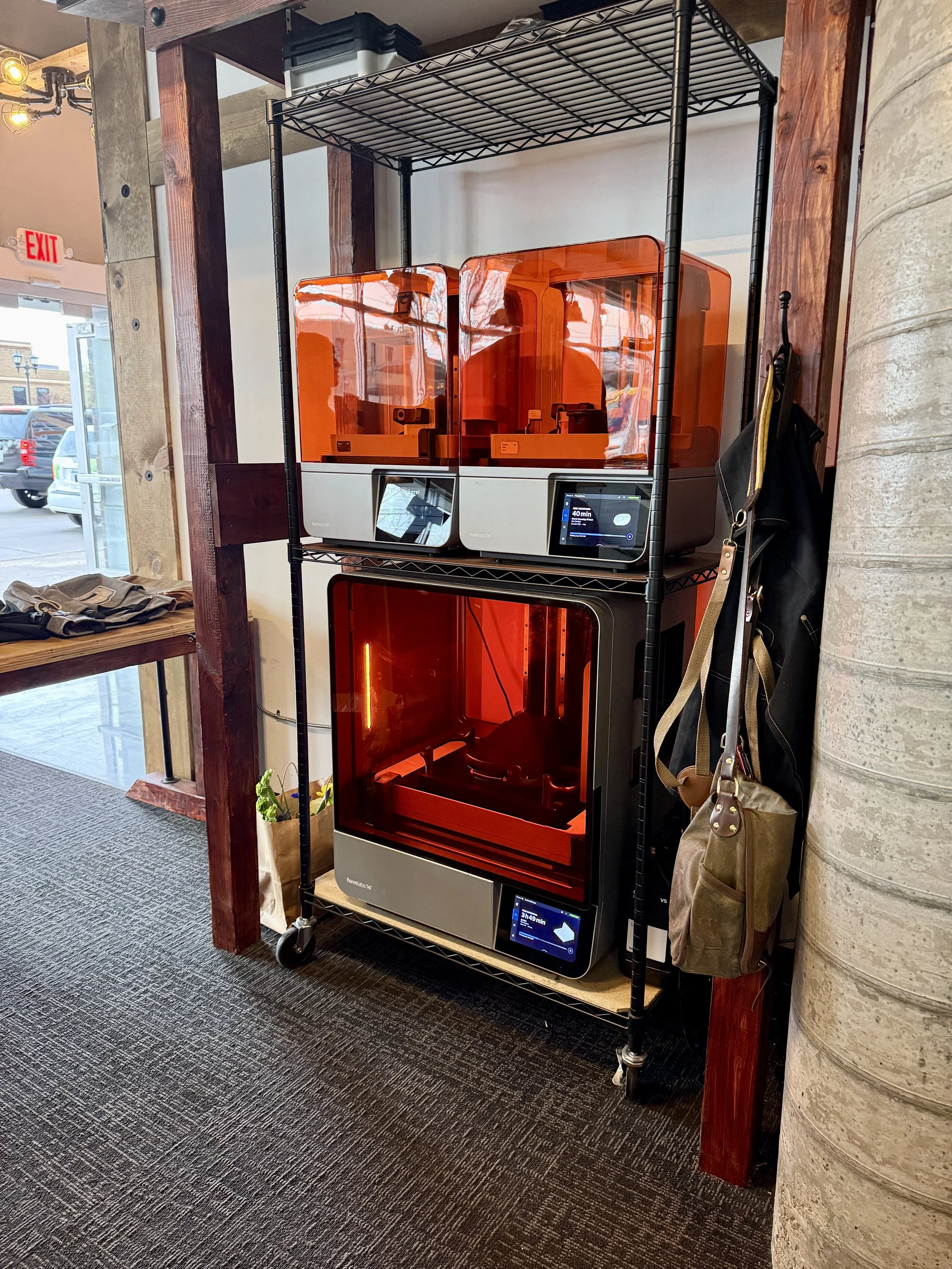
Local Businesses Are Civic Infrastructure
Participants connected a stronger local economy with greater convenience, neighborhood identity, and more opportunities to gather. Small businesses, restaurants, markets, and everyday services do more than fill storefronts. They create destinations, support street activity, and help turn a collection of developments into a connected community.
-
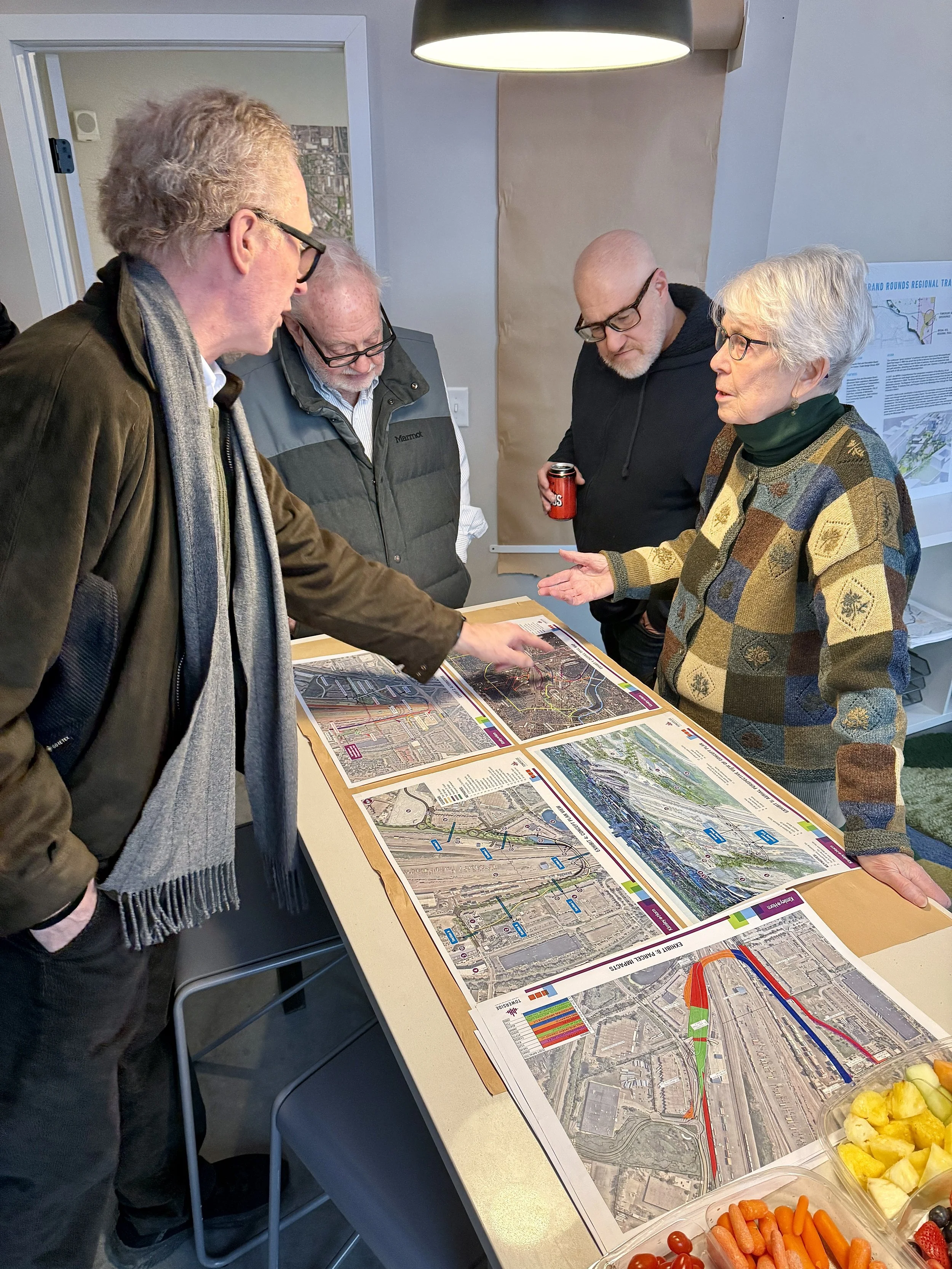
Community Connection Does Not Always Translate into Influence
Many participants experienced community through neighbors, local events, and shared places, but the pathways from participation to decision-making were less visible. Forty-five percent were unsure who heard and seriously considered their input. The findings pointed to the need for clearer invitations, ongoing communication, and visible feedback between community knowledge and institutional action.
Outcomes & Insights
The Community Pulse project produced a community conversation about place. This created:
a district-wide baseline of community experience and priorities
spatial information connecting feedback to specific places
stronger relationships with residents and community partners
practical direction for public realm, mobility, business support, programming, and engagement
a repeatable foundation for future listening cycles
-
Community knowledge is continually generated through everyday experience. Place-based organizations can make that knowledge more useful by gathering it across project, property, and institutional boundaries.
-
Digital platforms expanded access and produced valuable spatial information, but direct outreach and trusted partnerships created the strongest participation. Engagement is relational before it is technical.
-
Participation builds trust when people can see how their input informs priorities, decisions, and implementation. The work reinforced the need to connect listening with interpretation, action, accountability, and renewed engagement.
The Community Pulse project demonstrated how district-scale listening can reveal relationships that project-specific engagement often misses.
Its larger value was not the survey itself, but the creation of a shared learning process: listening across a place, identifying common patterns, translating them into priorities, and strengthening the community’s capacity to shape what comes next.